2023 Anderson Ranch Scholarship Recipient - Jelly Plate Printing
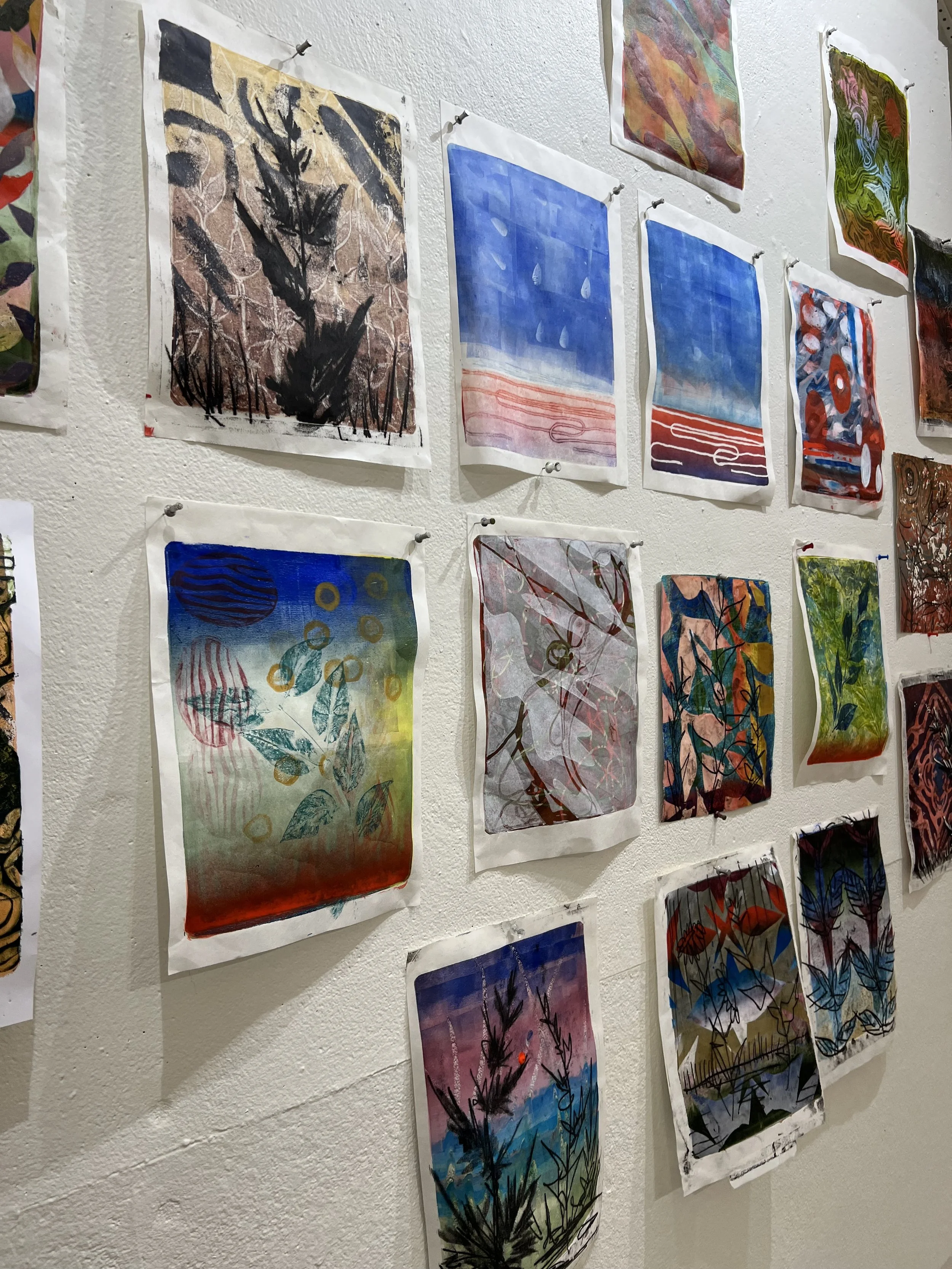
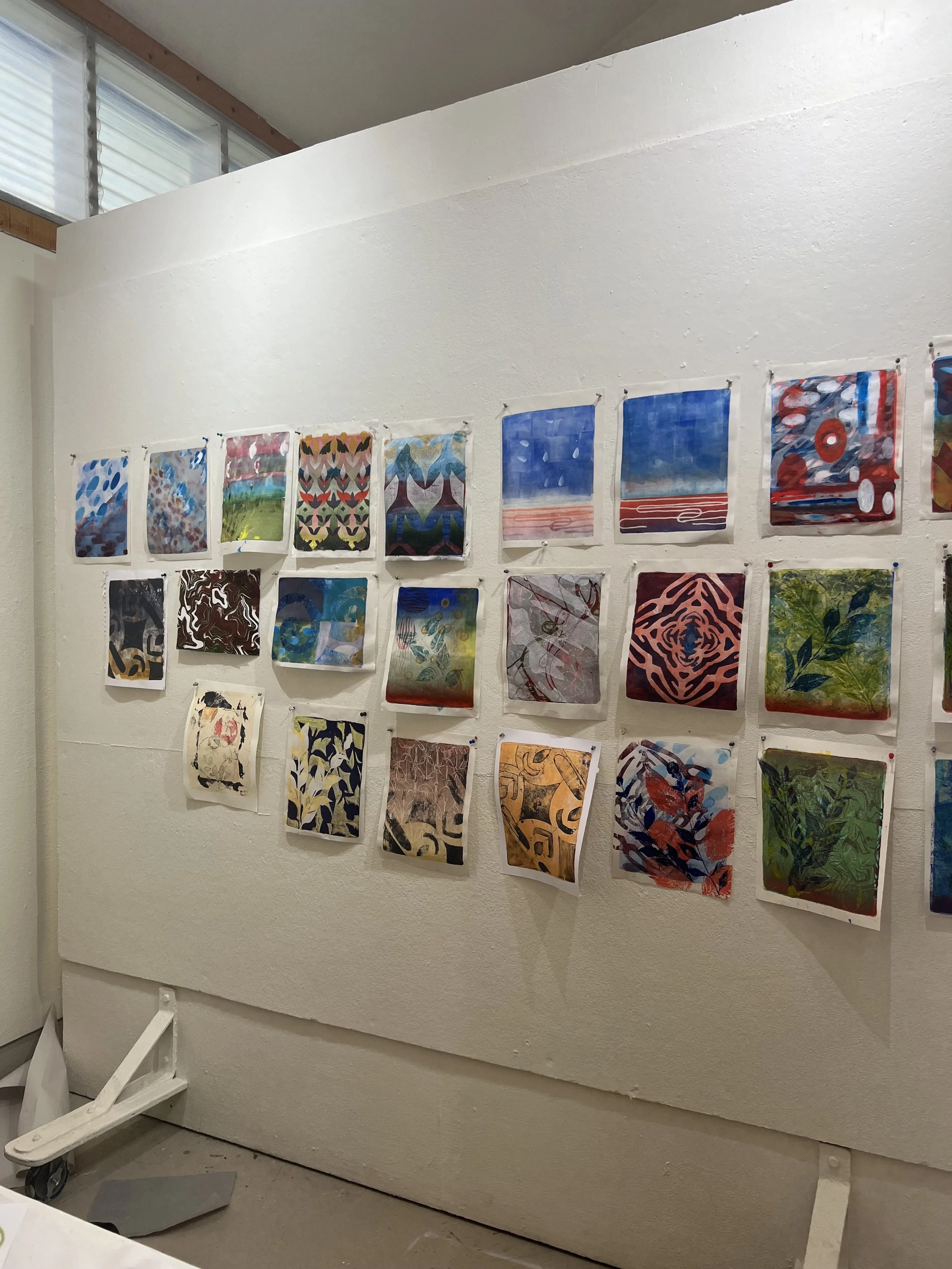
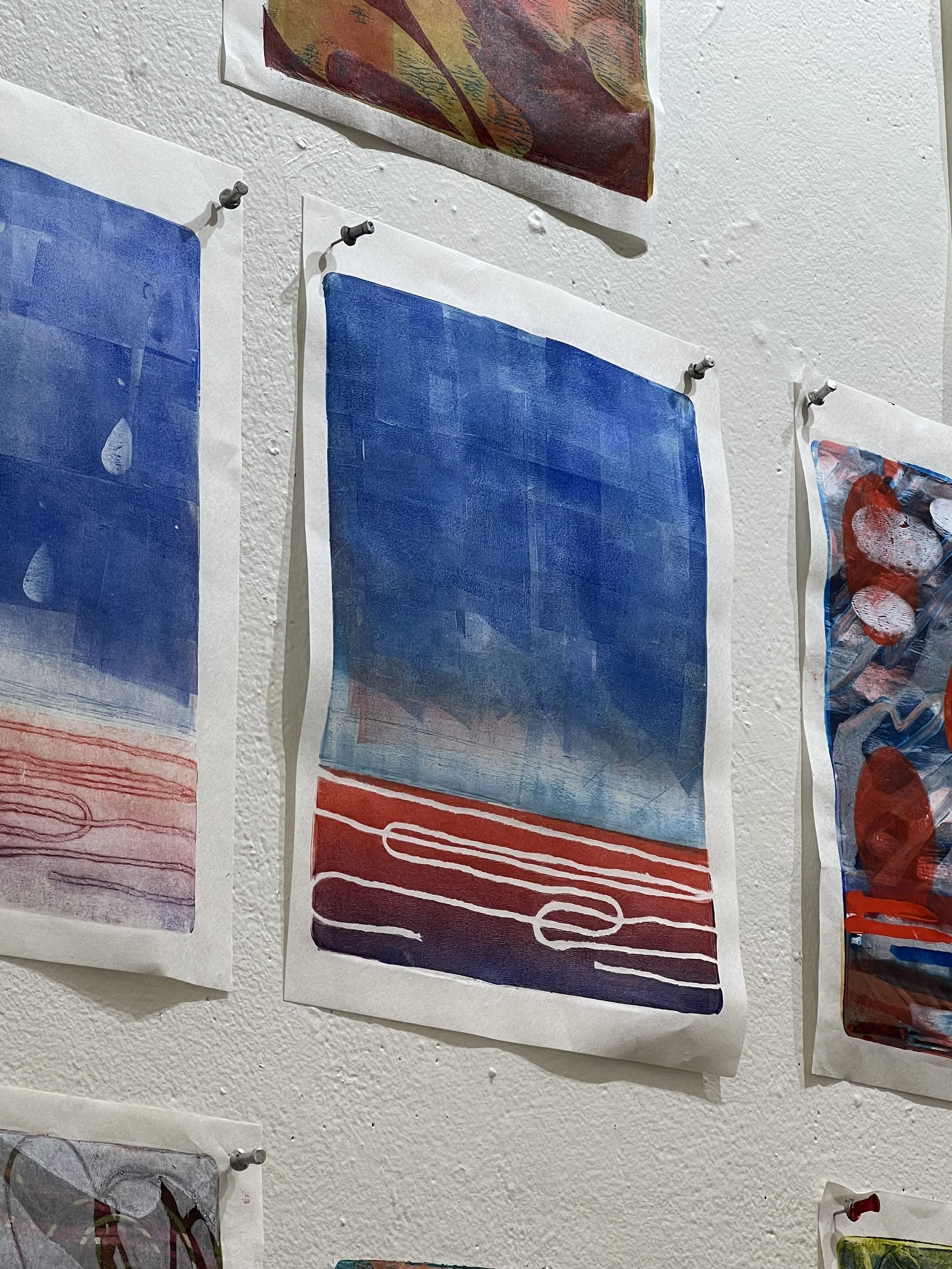
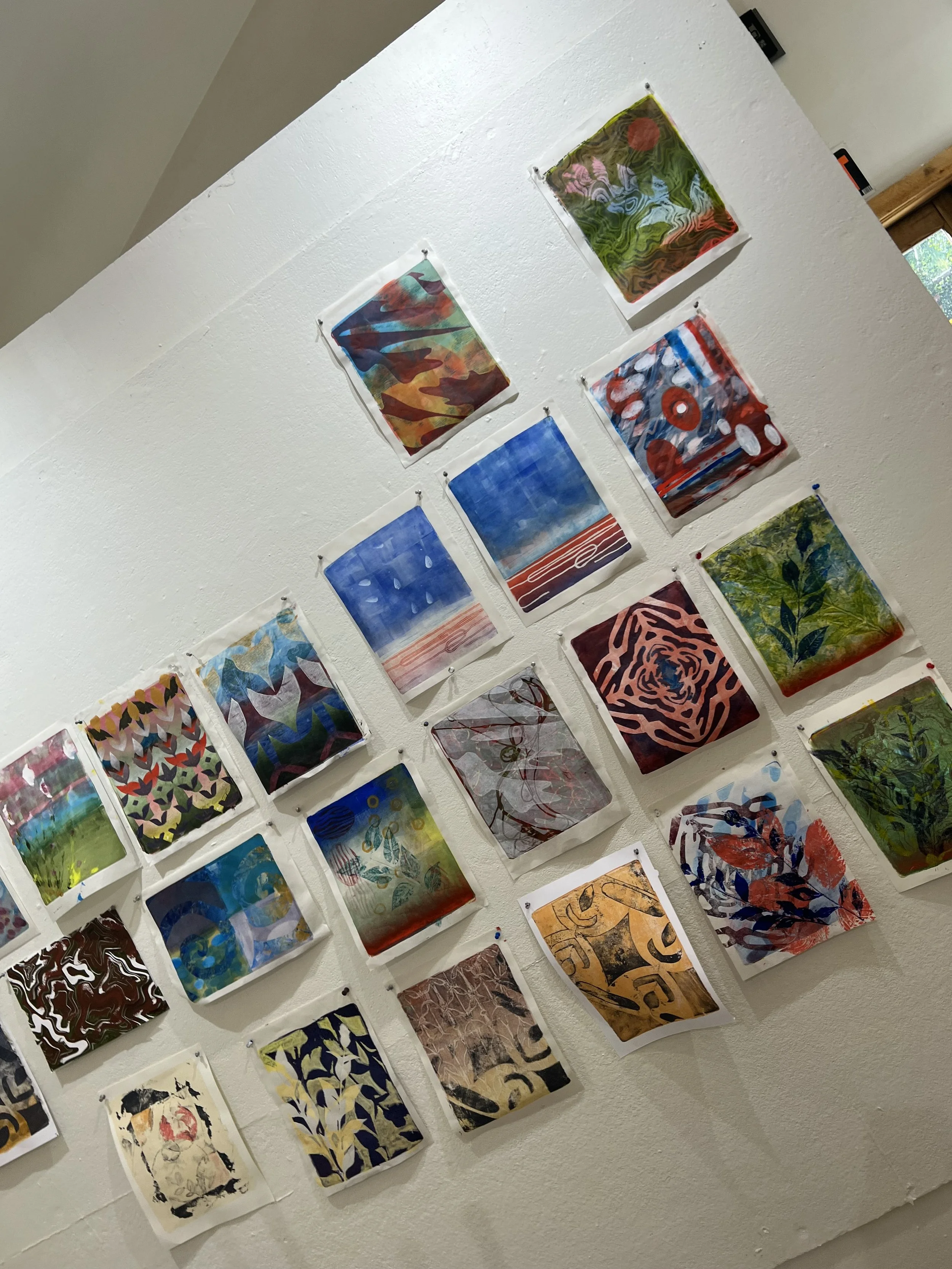
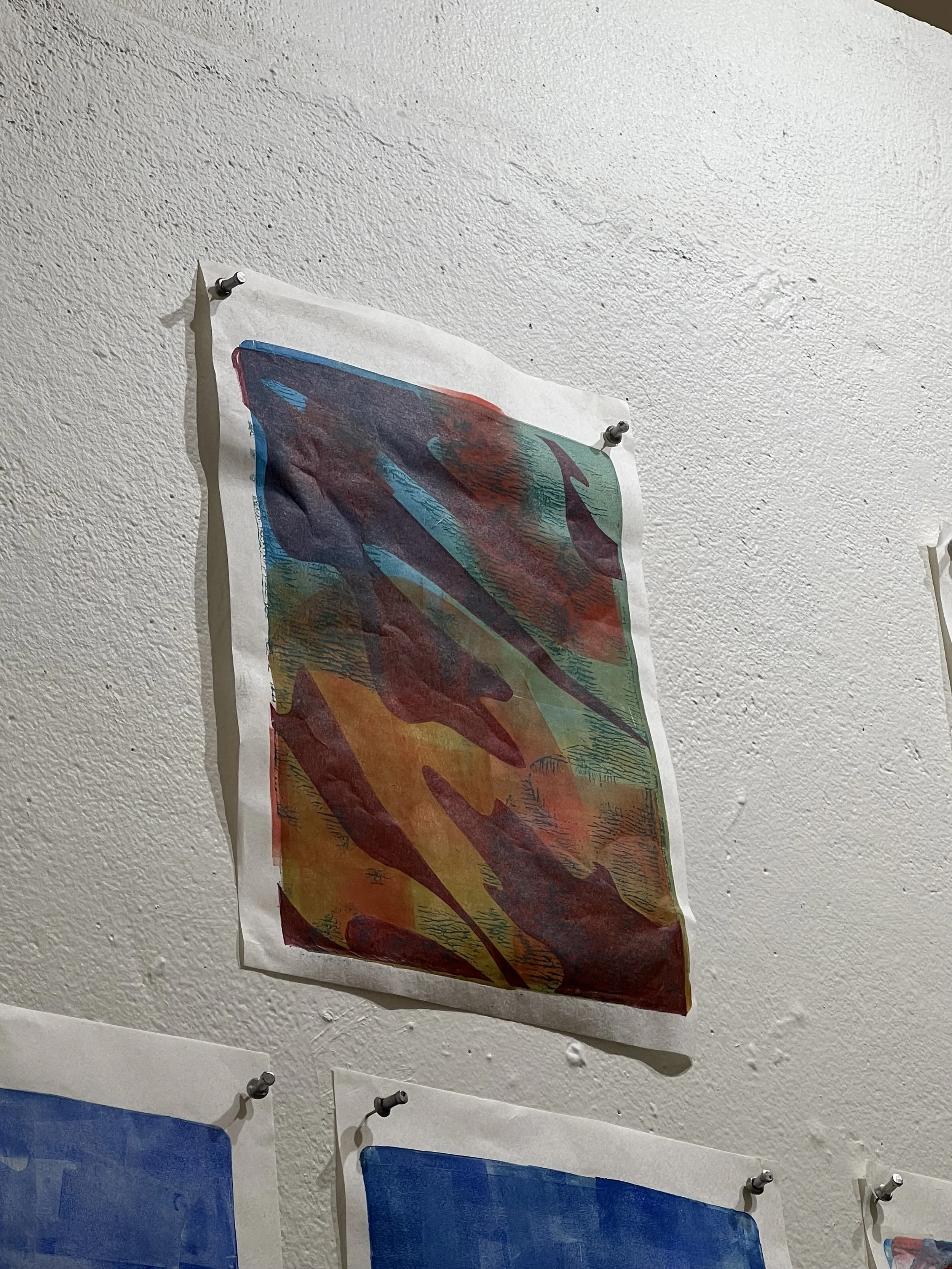
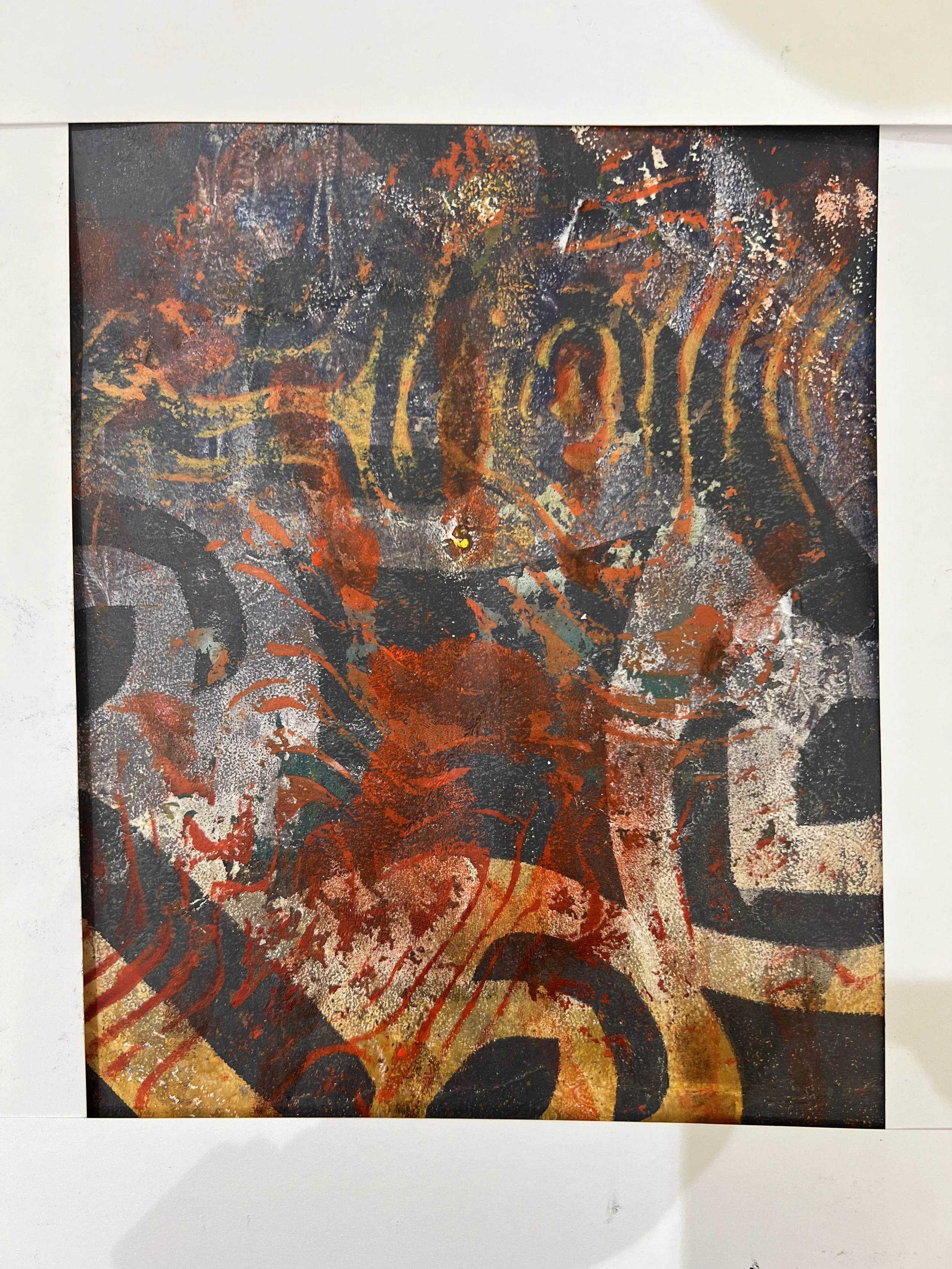
Completed Work
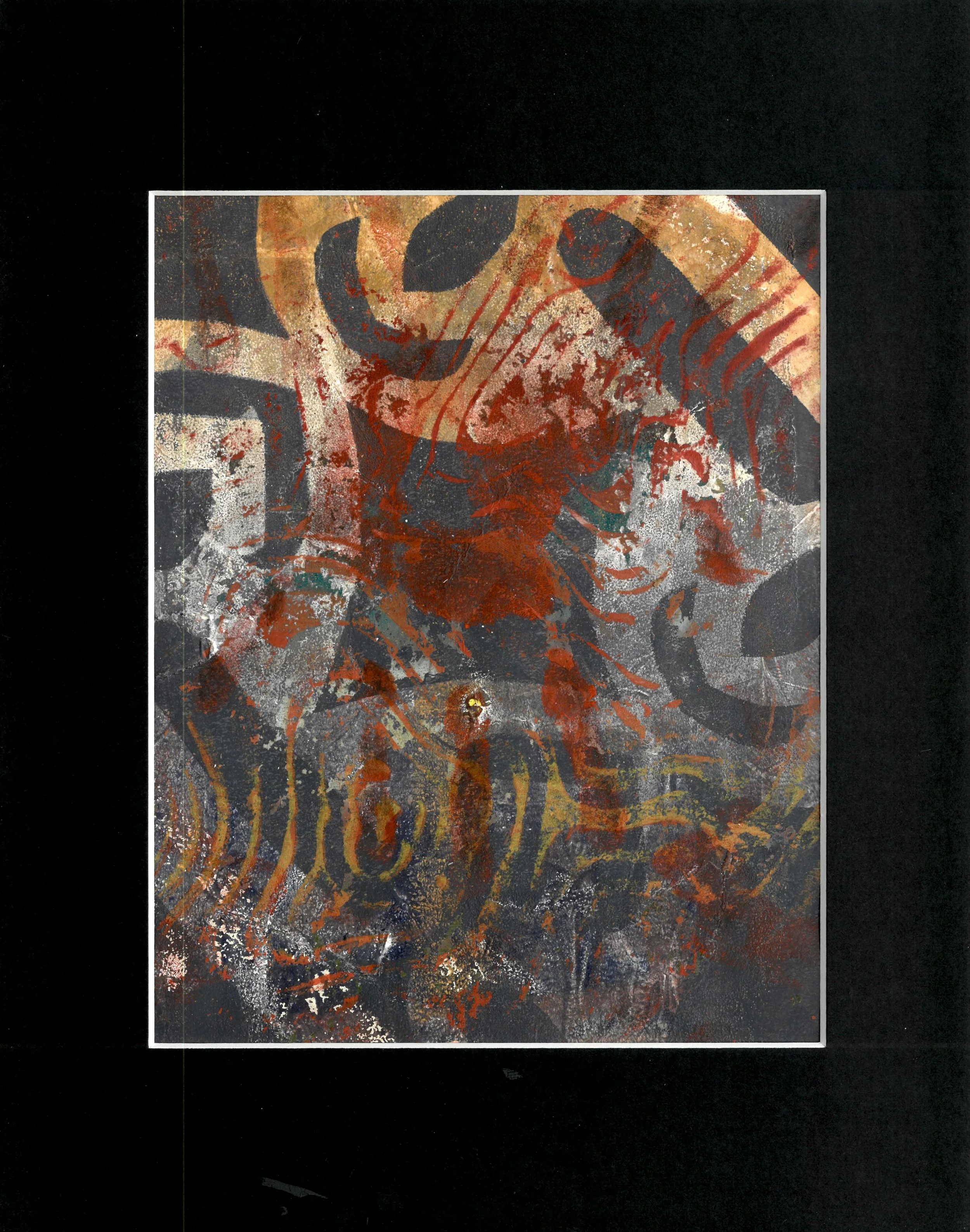
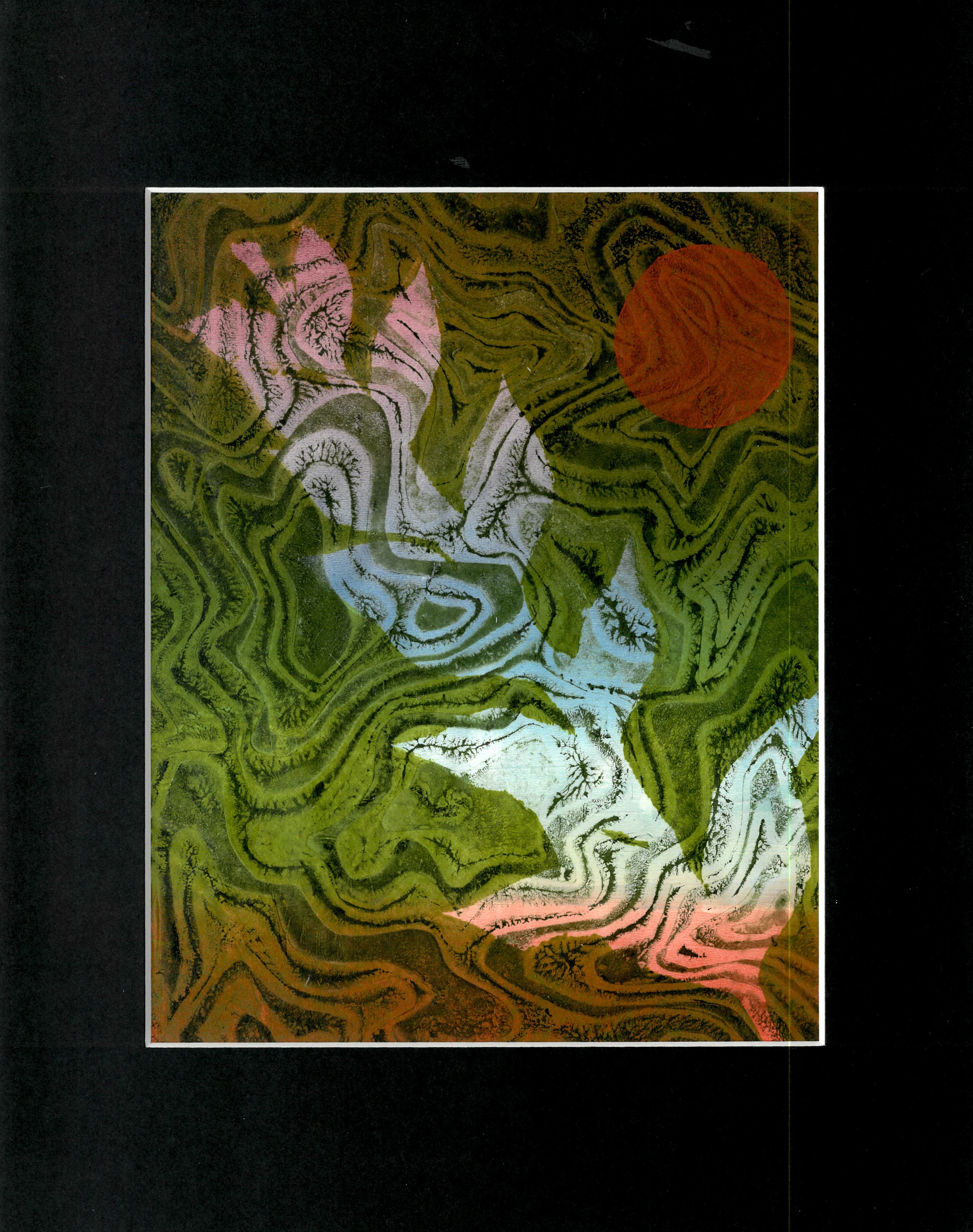
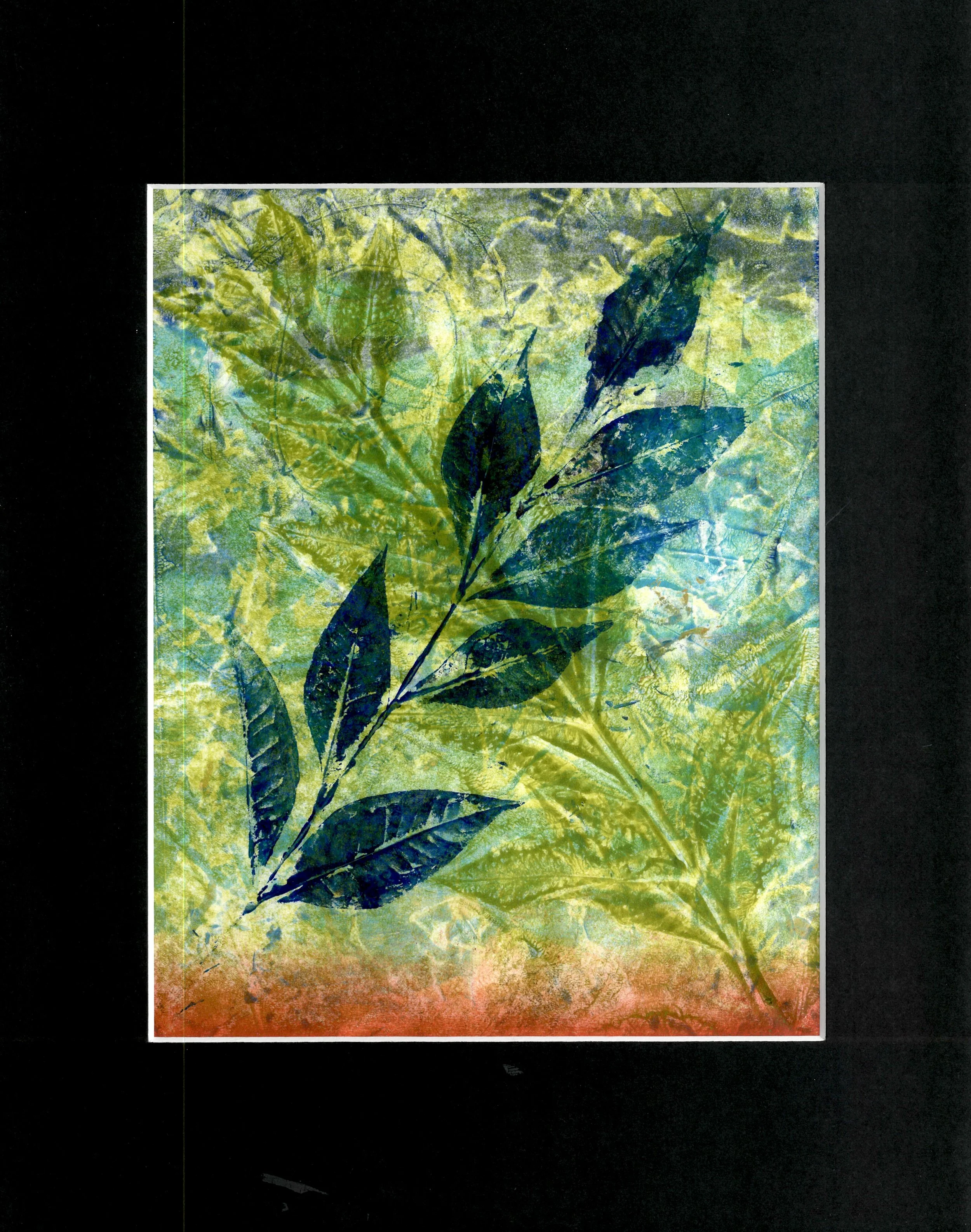
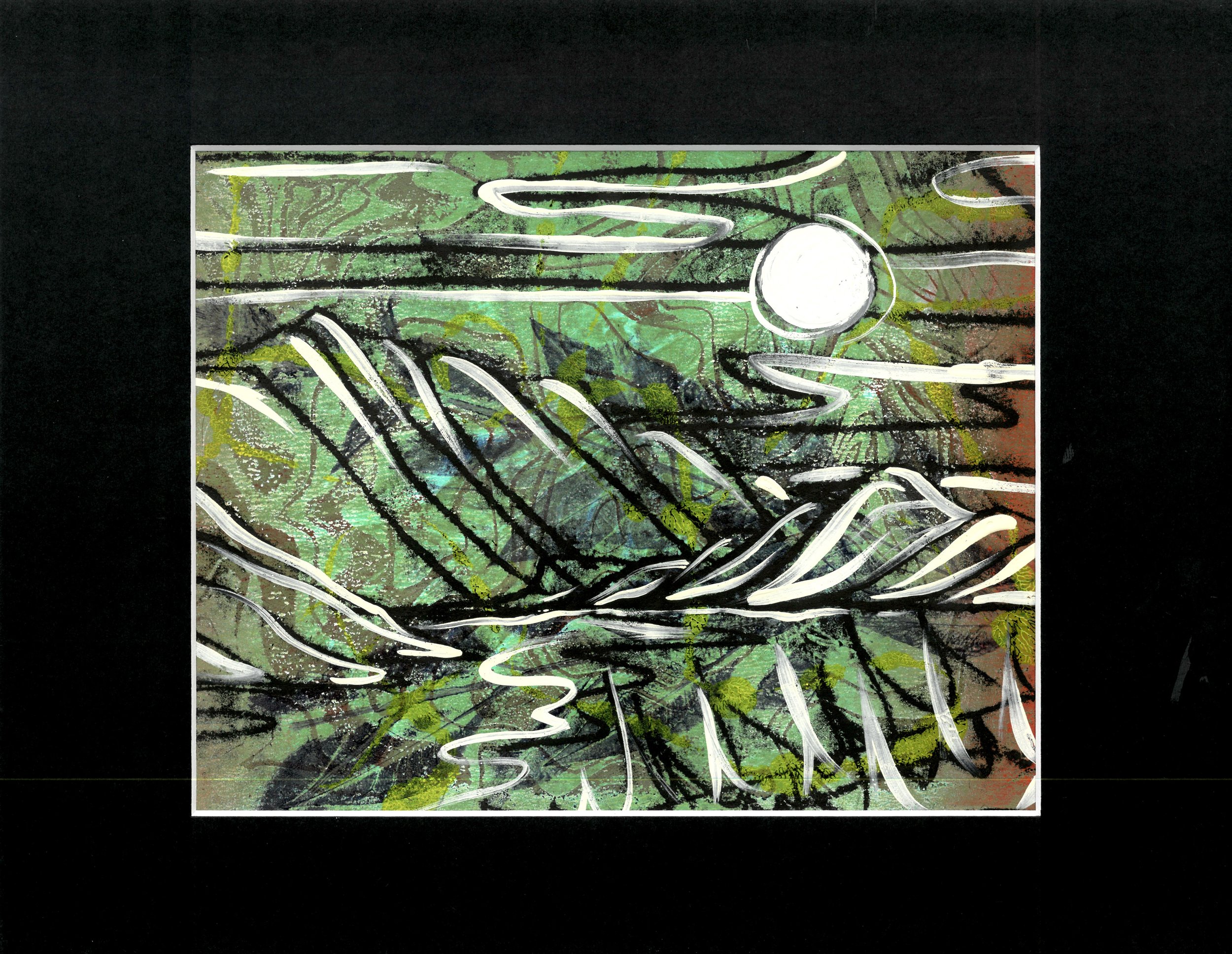
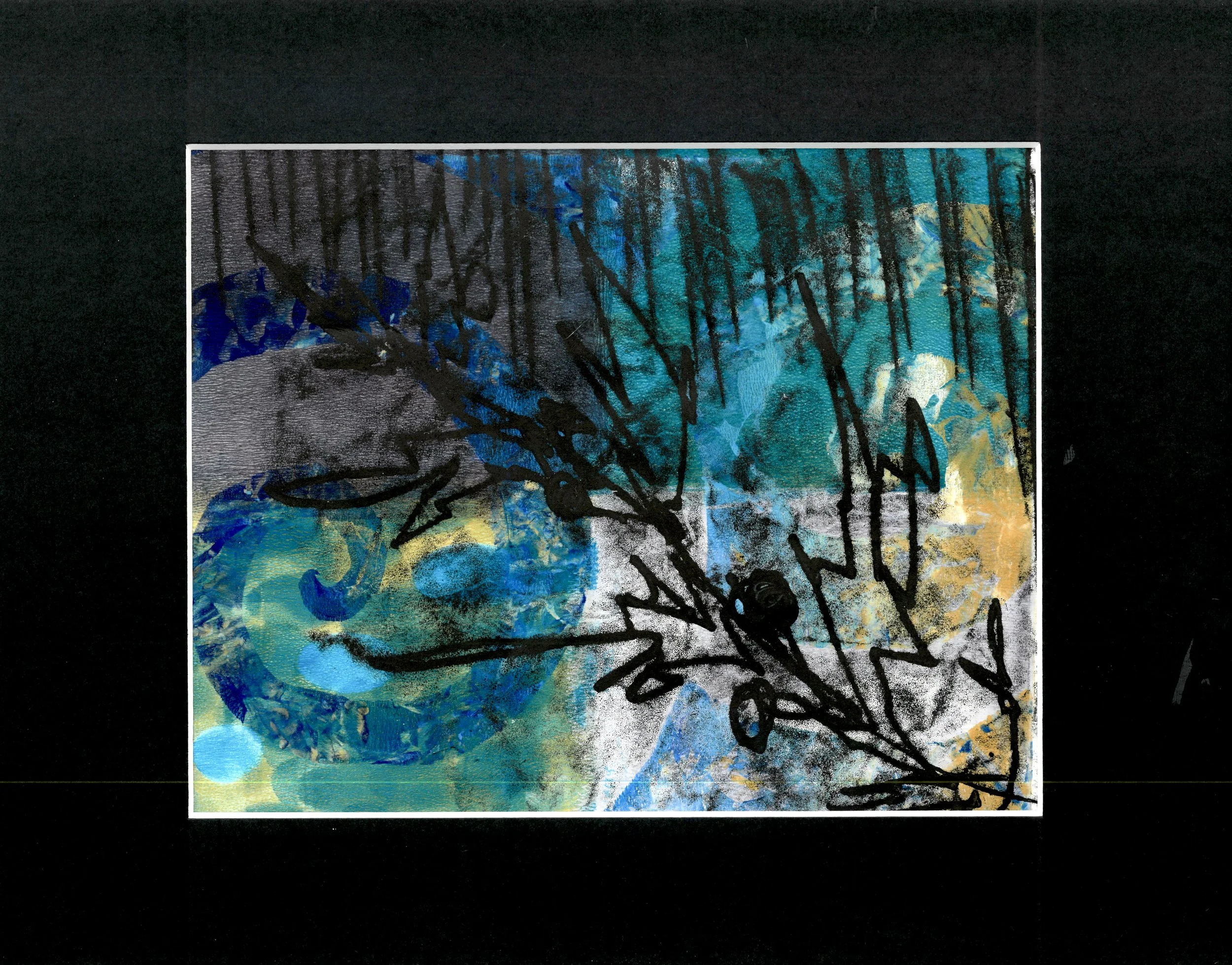
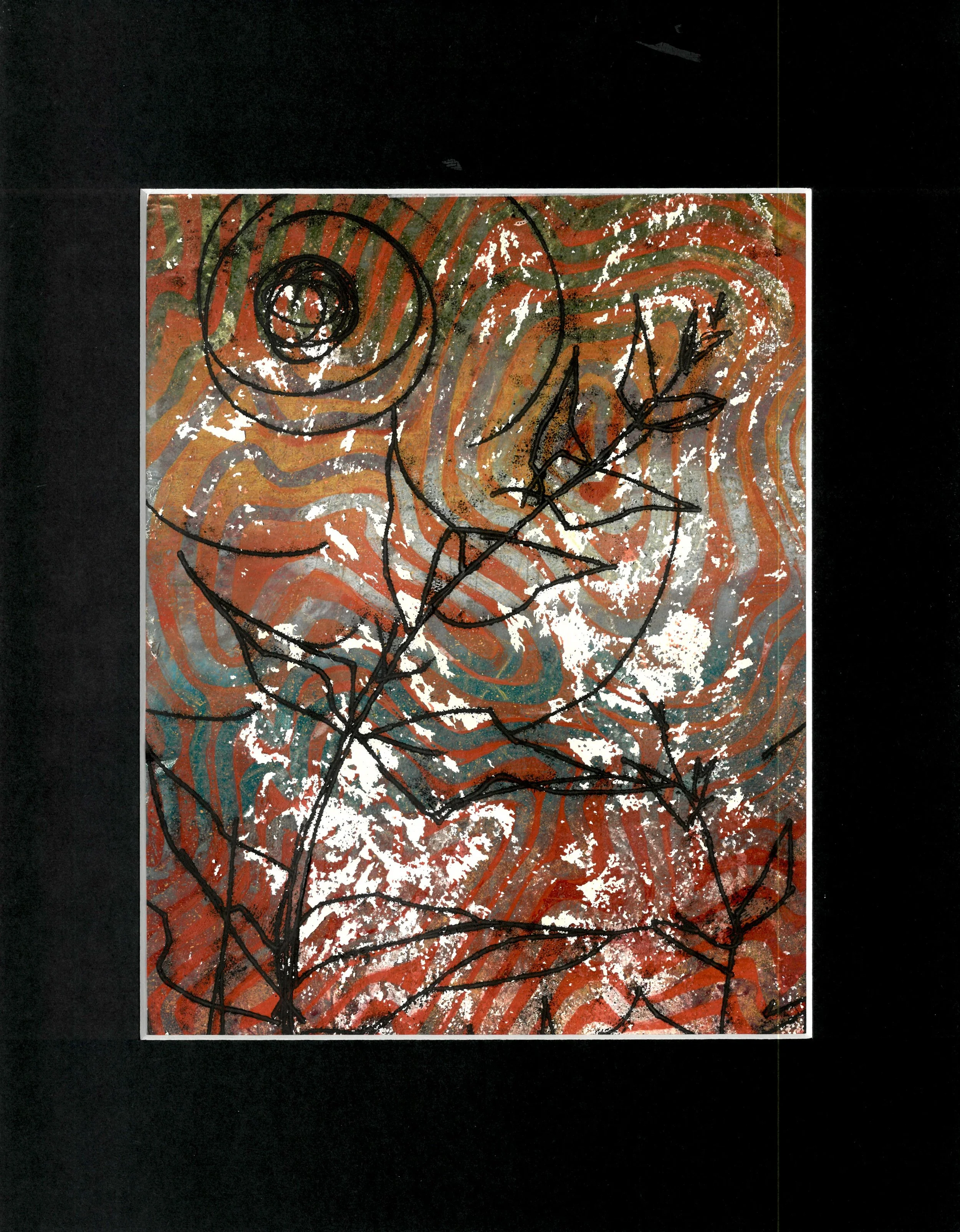
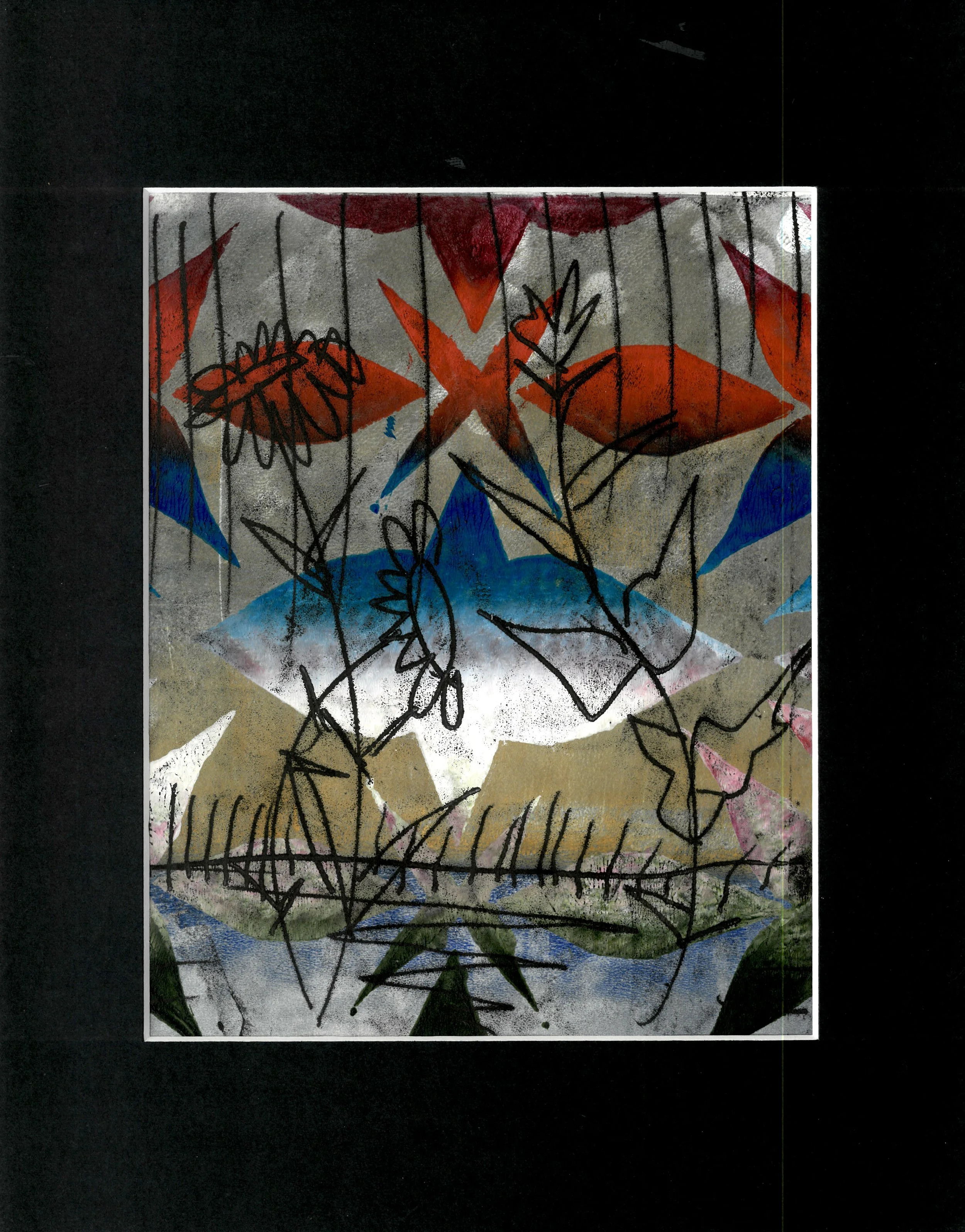
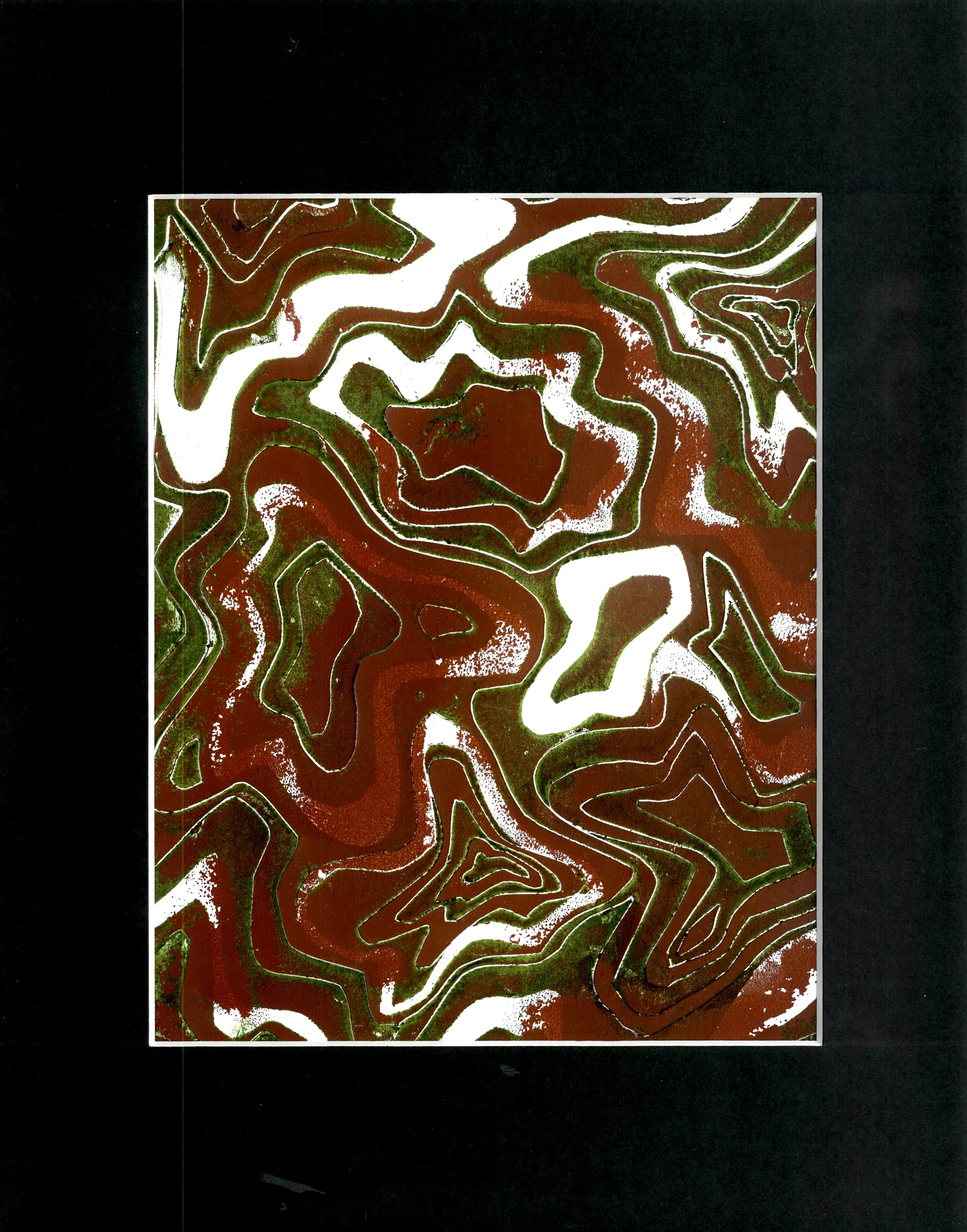
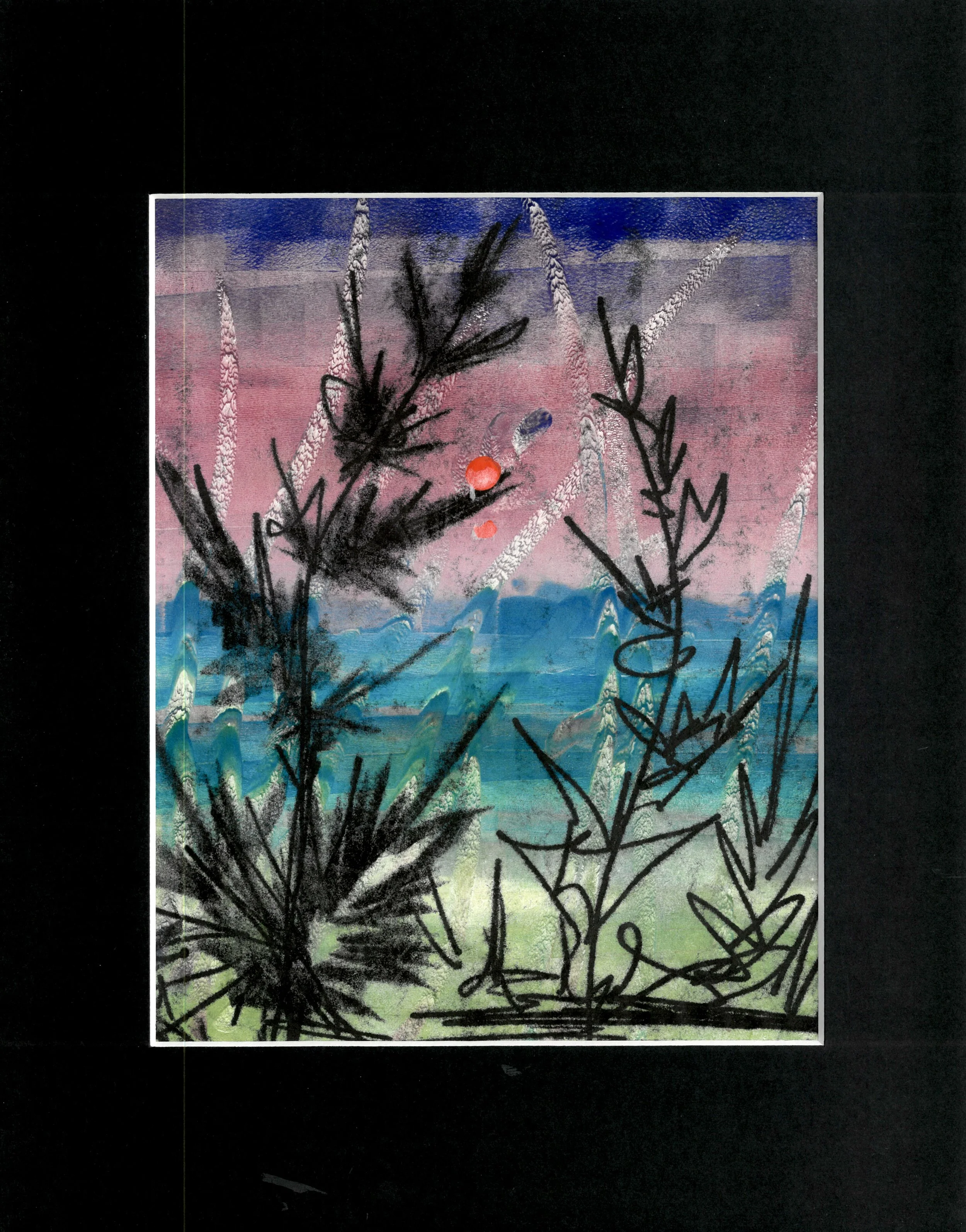
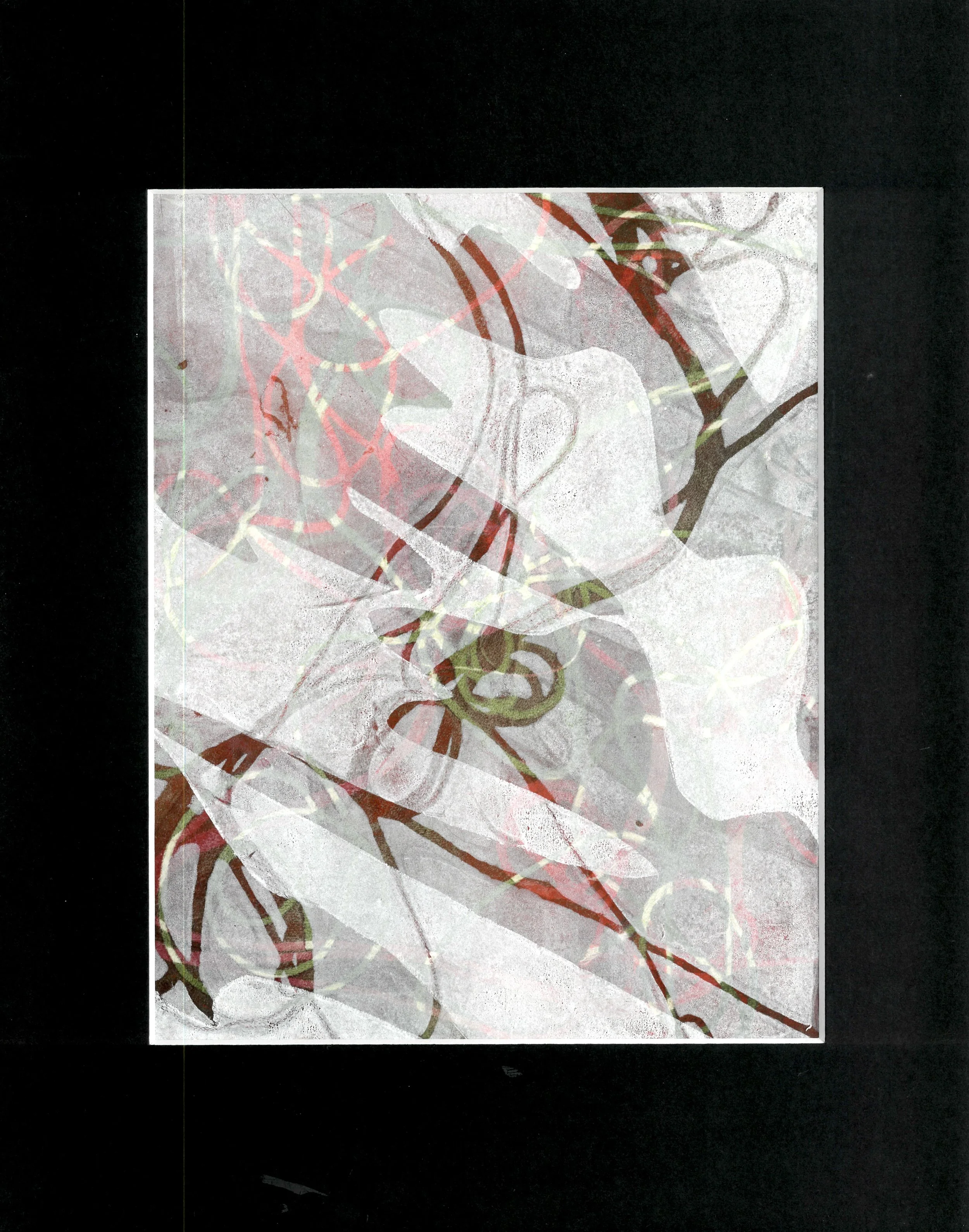
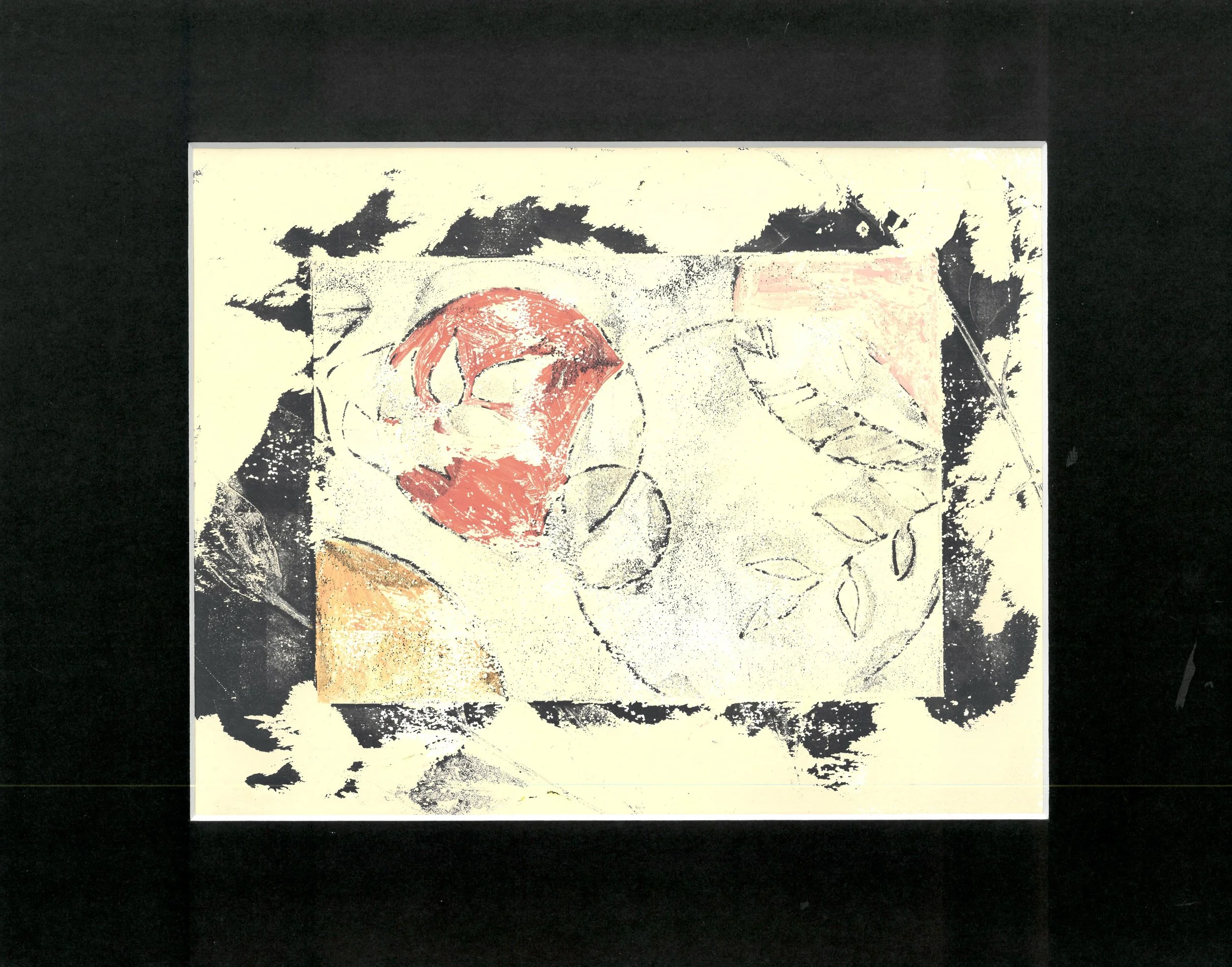
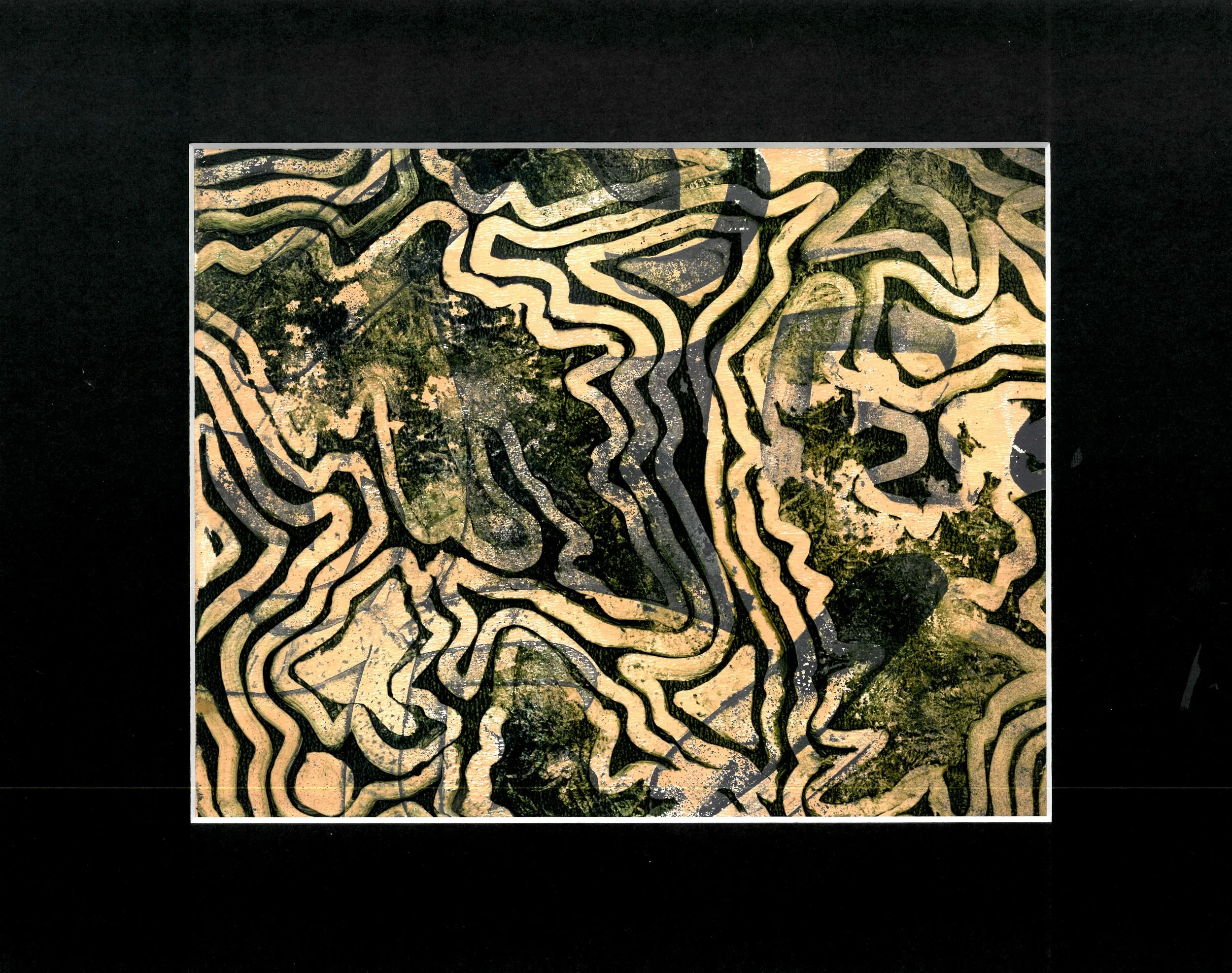
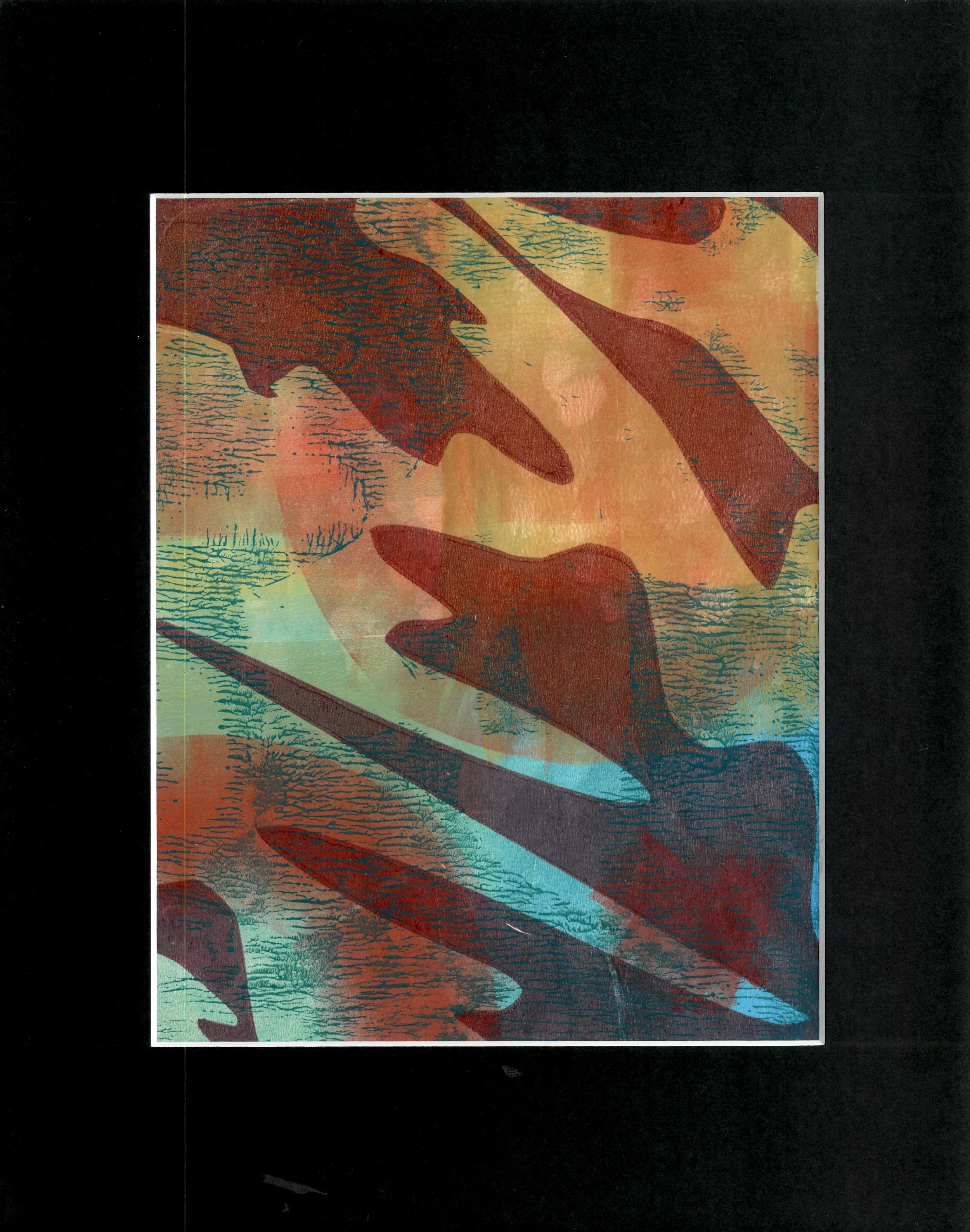
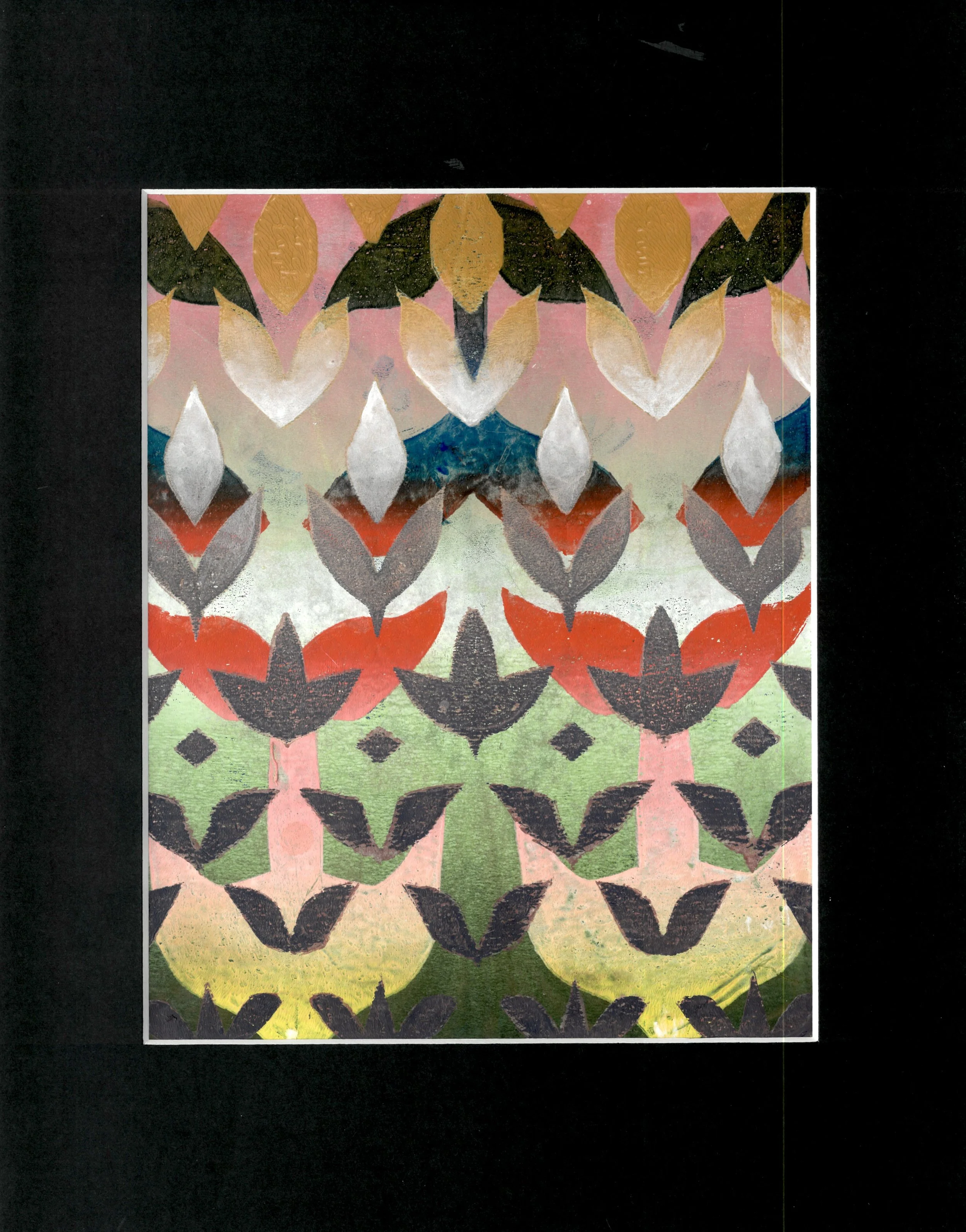
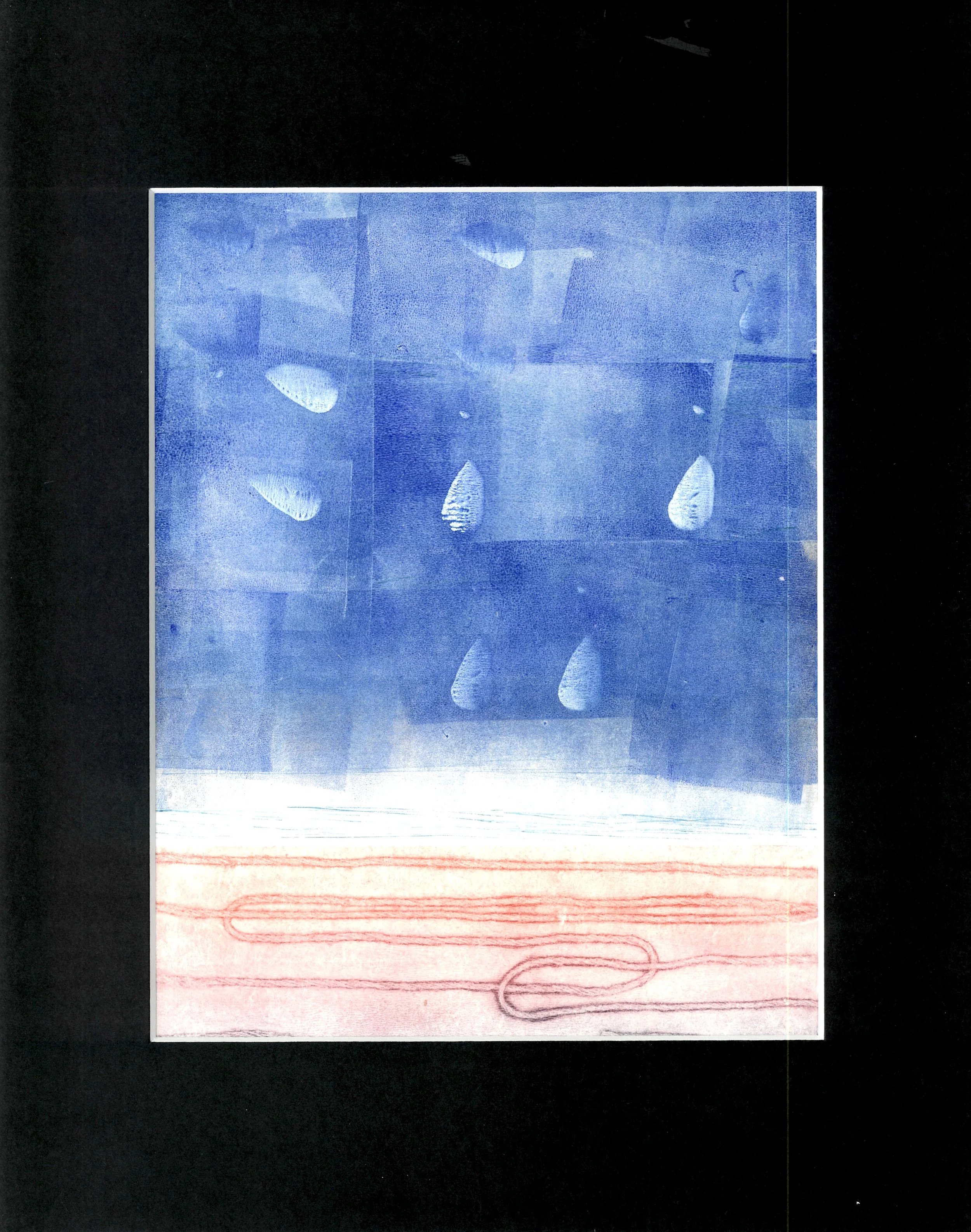
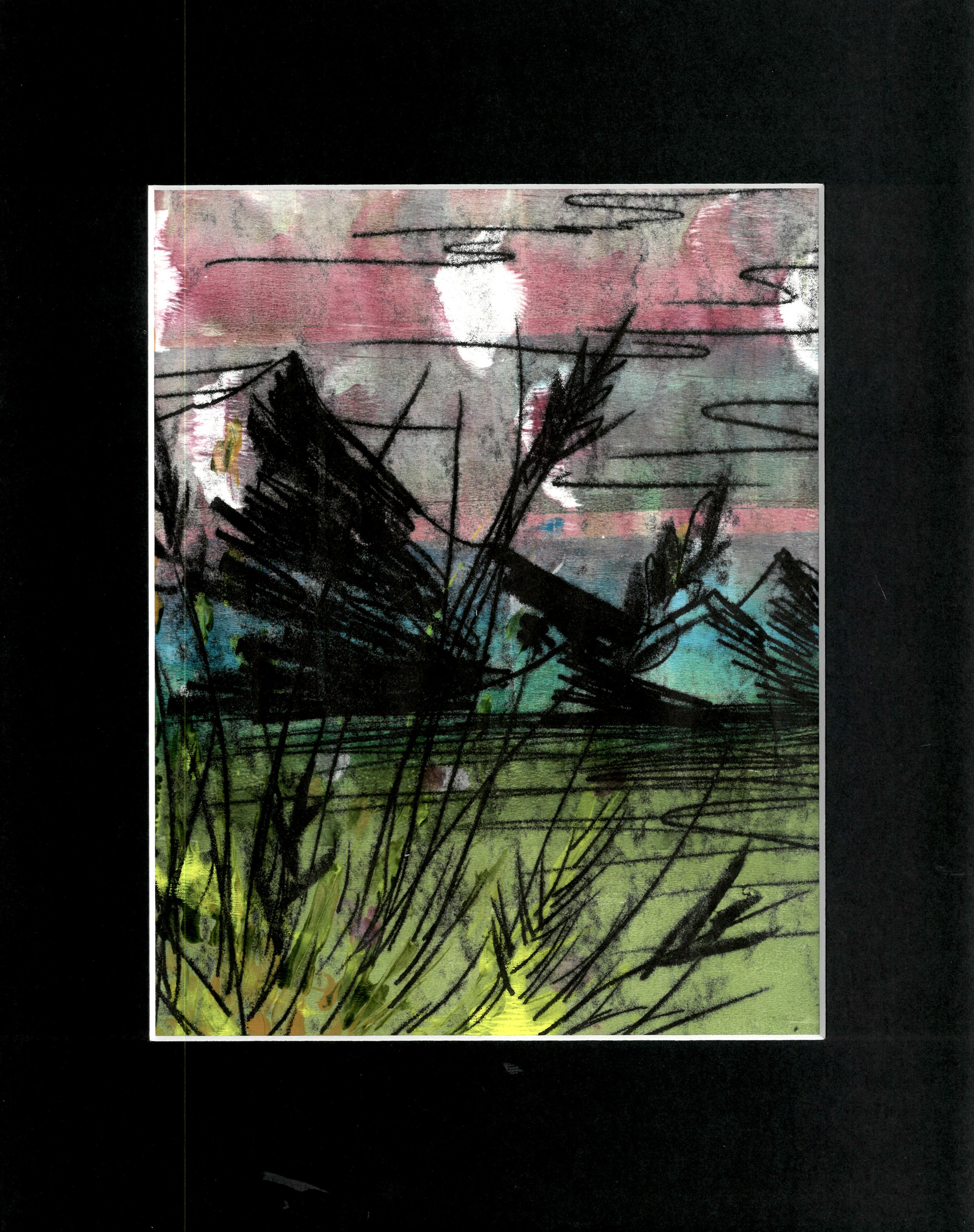
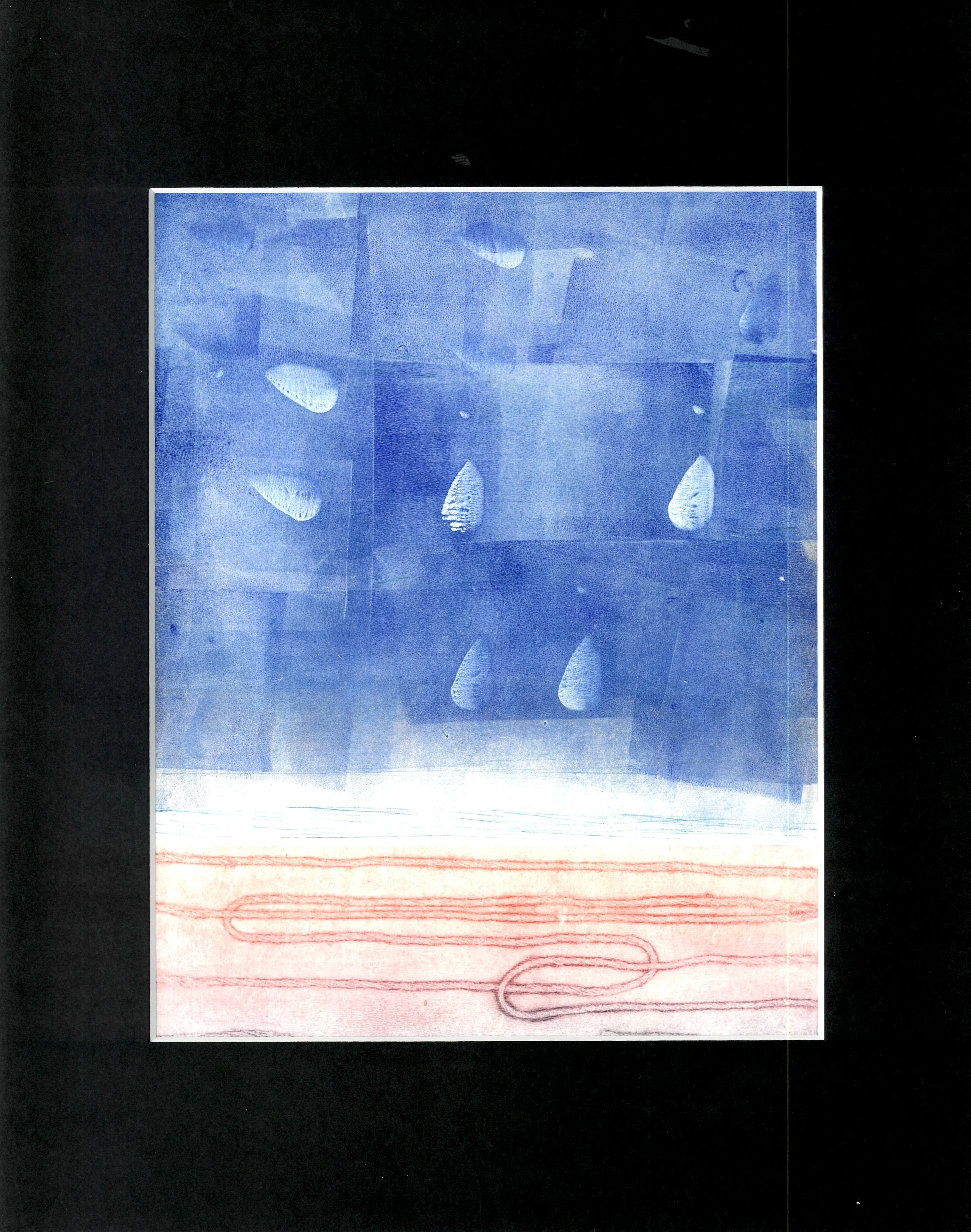
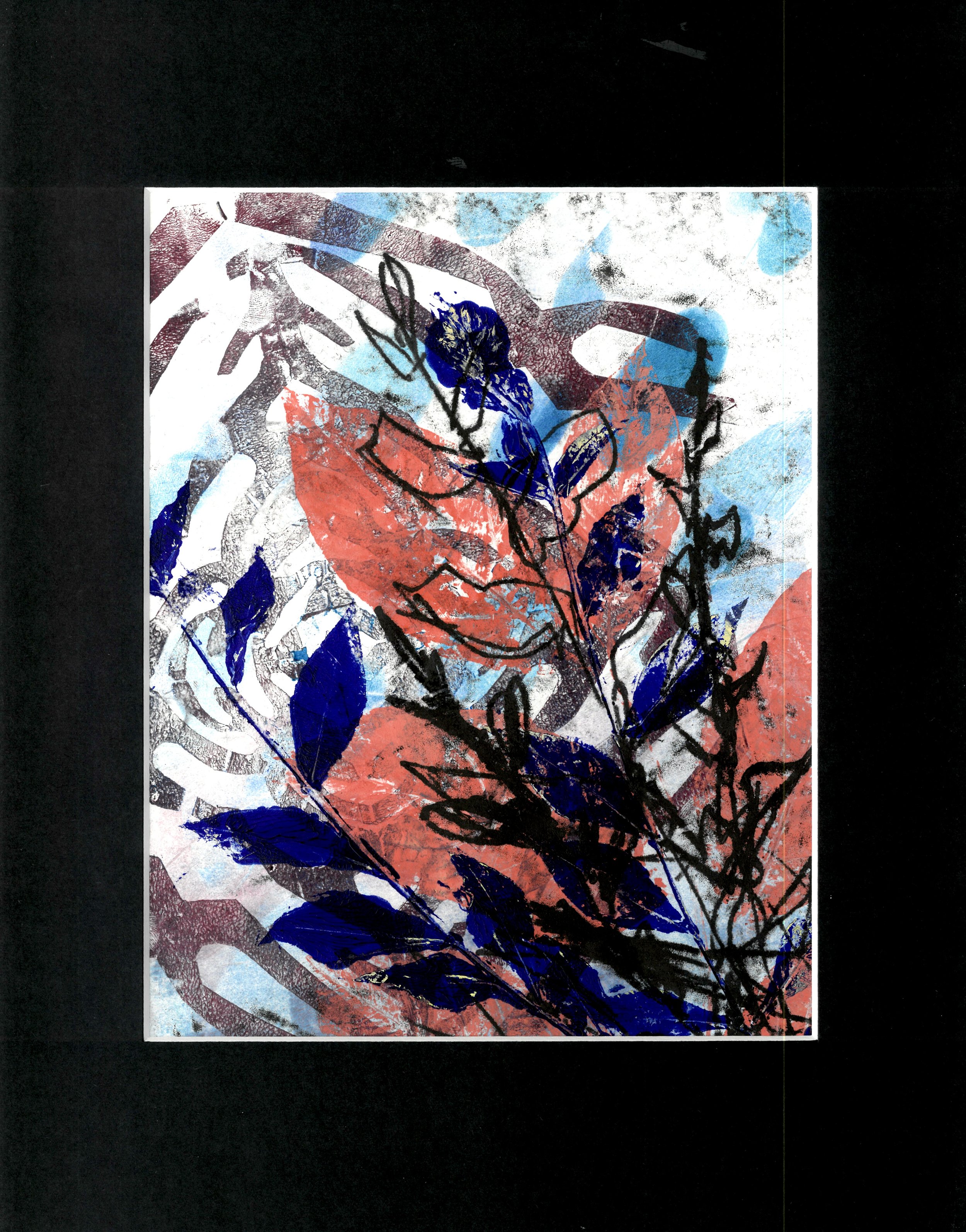
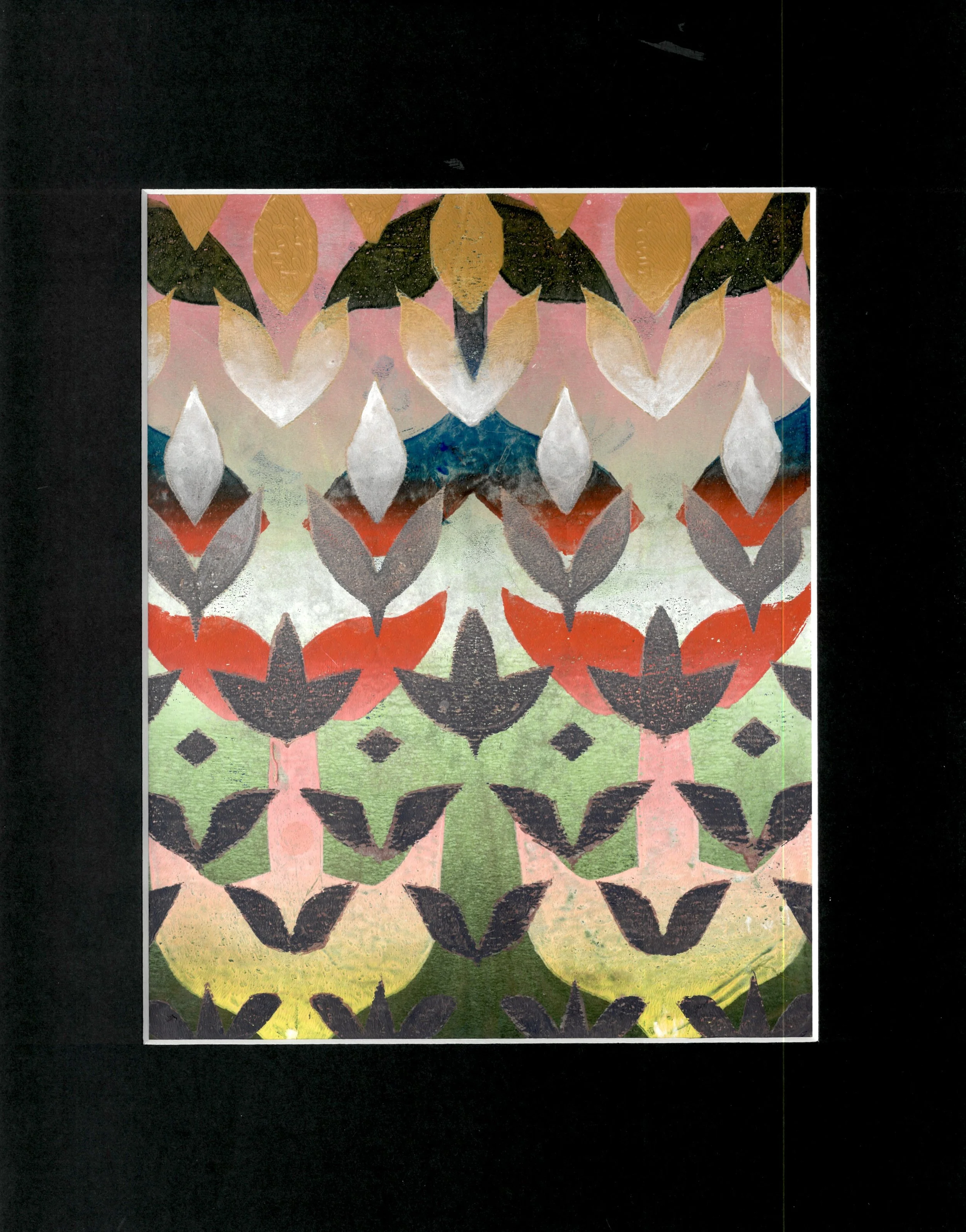
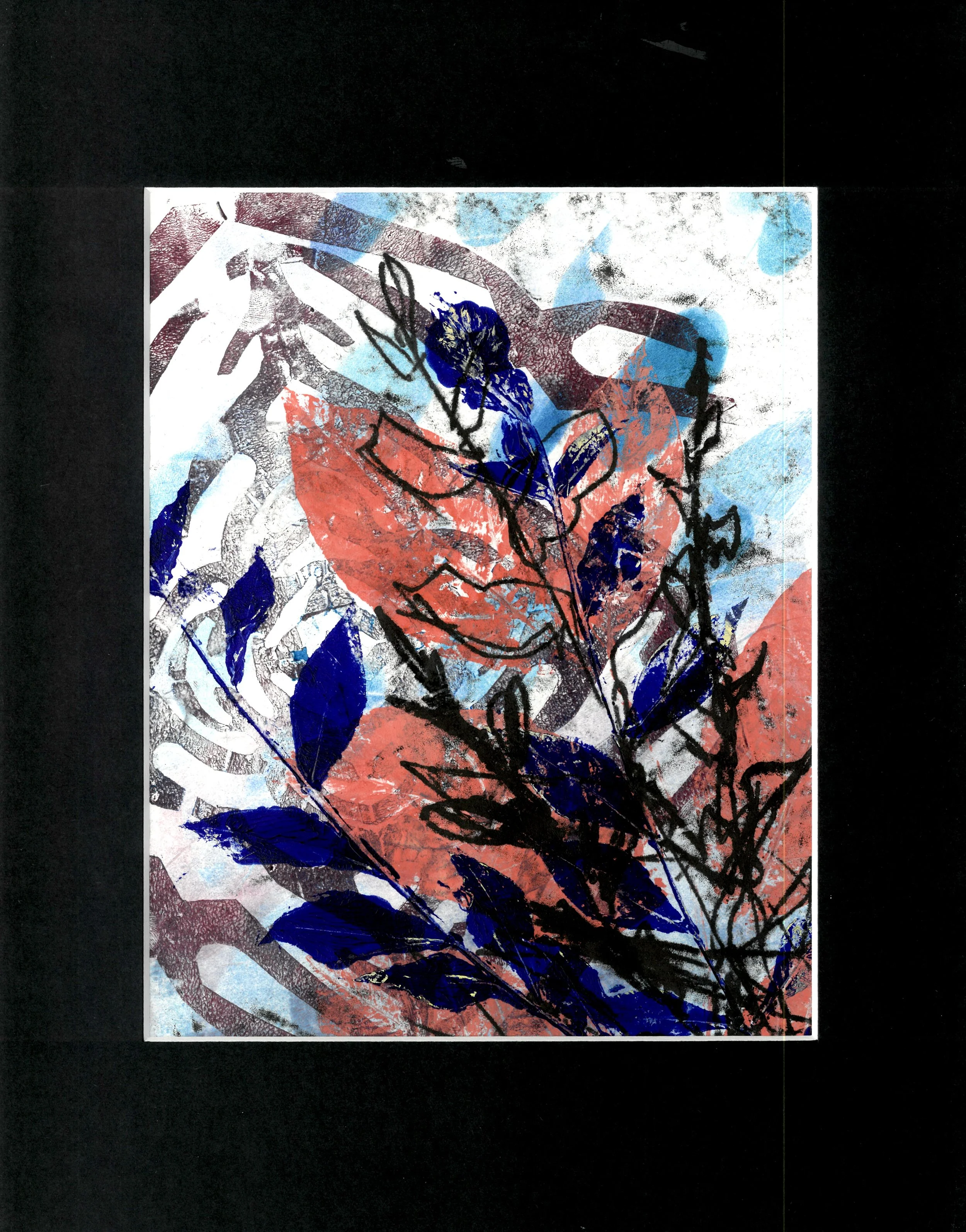
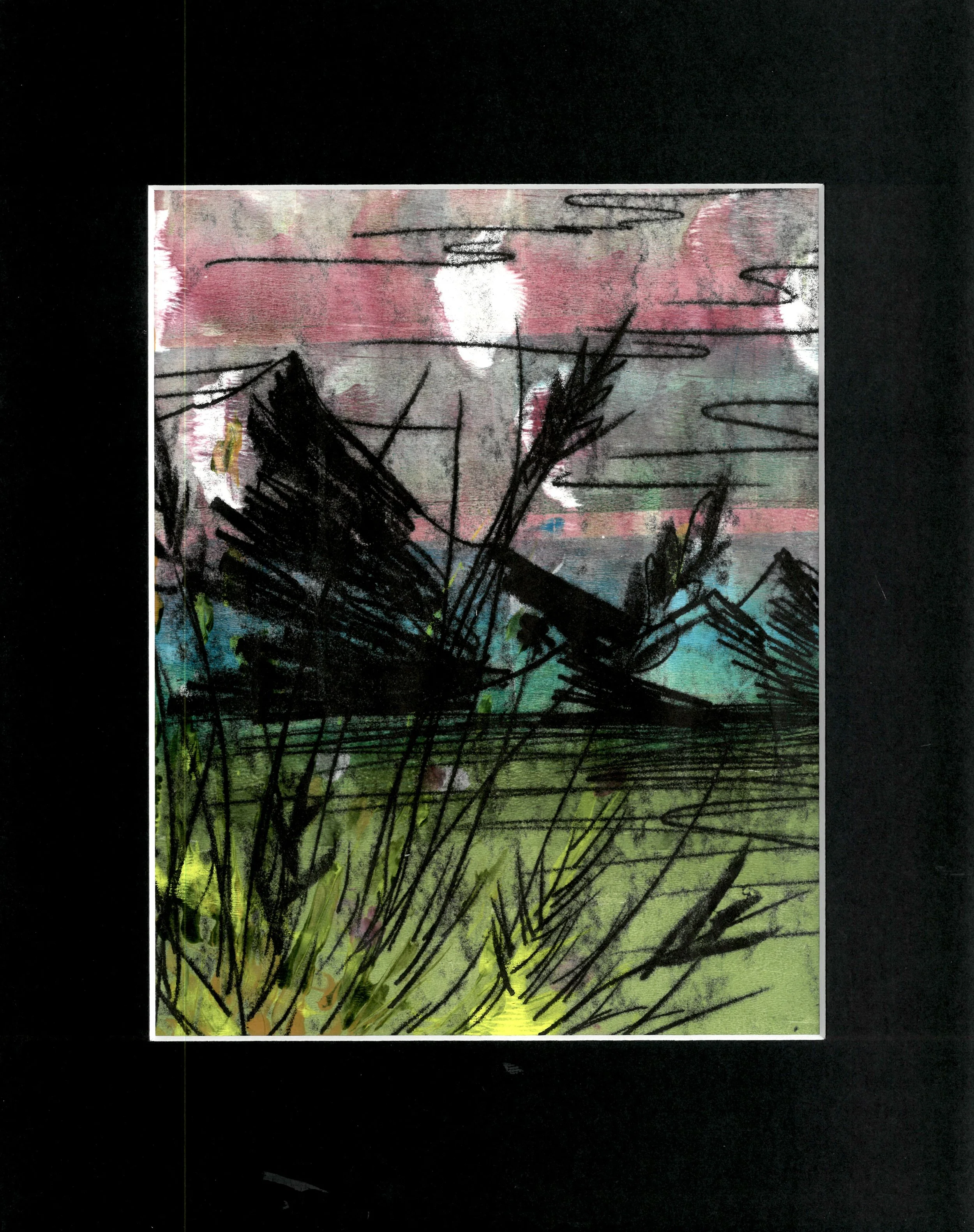
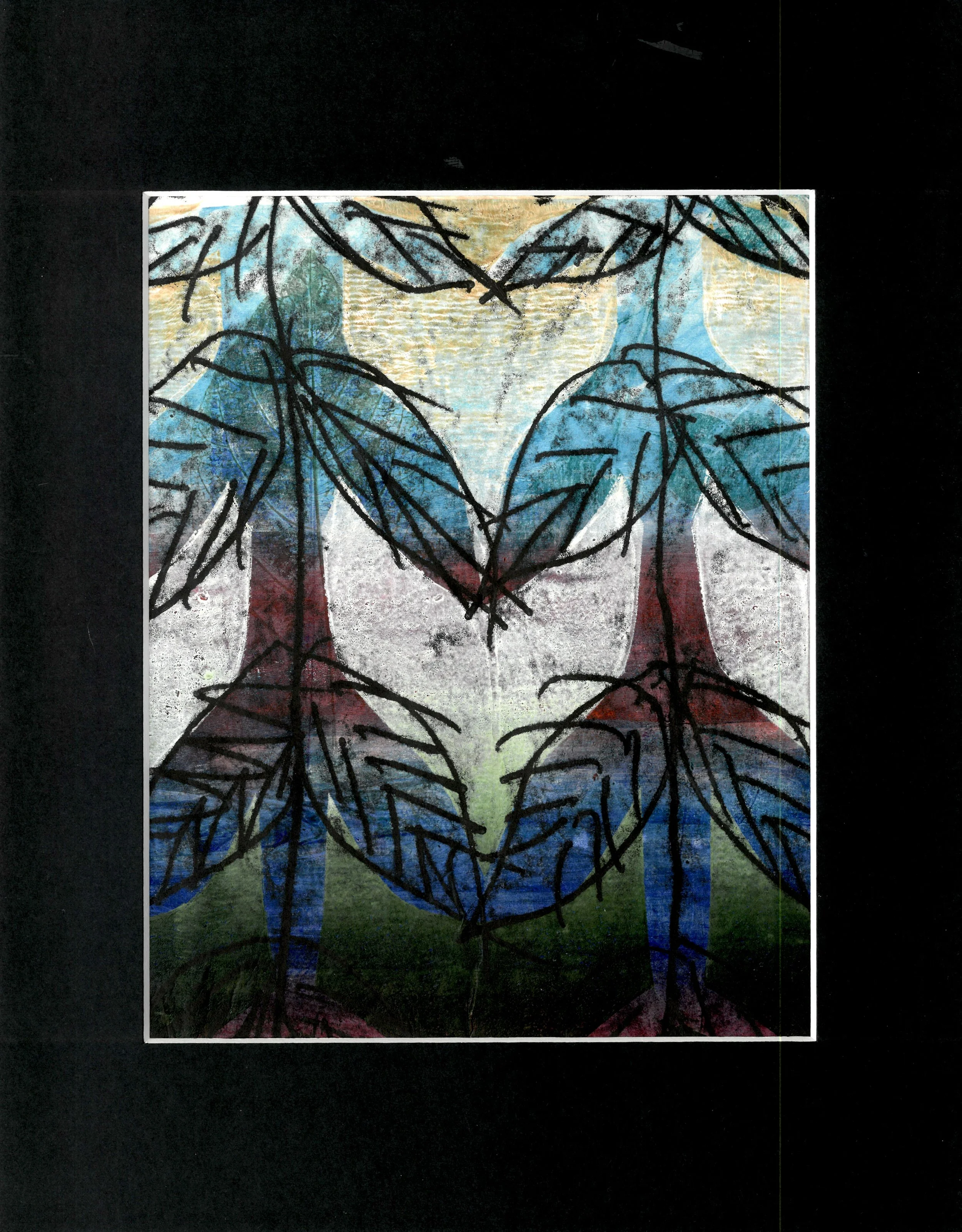
Trying a New Medium at Anderson Ranch
Letting Texture Lead
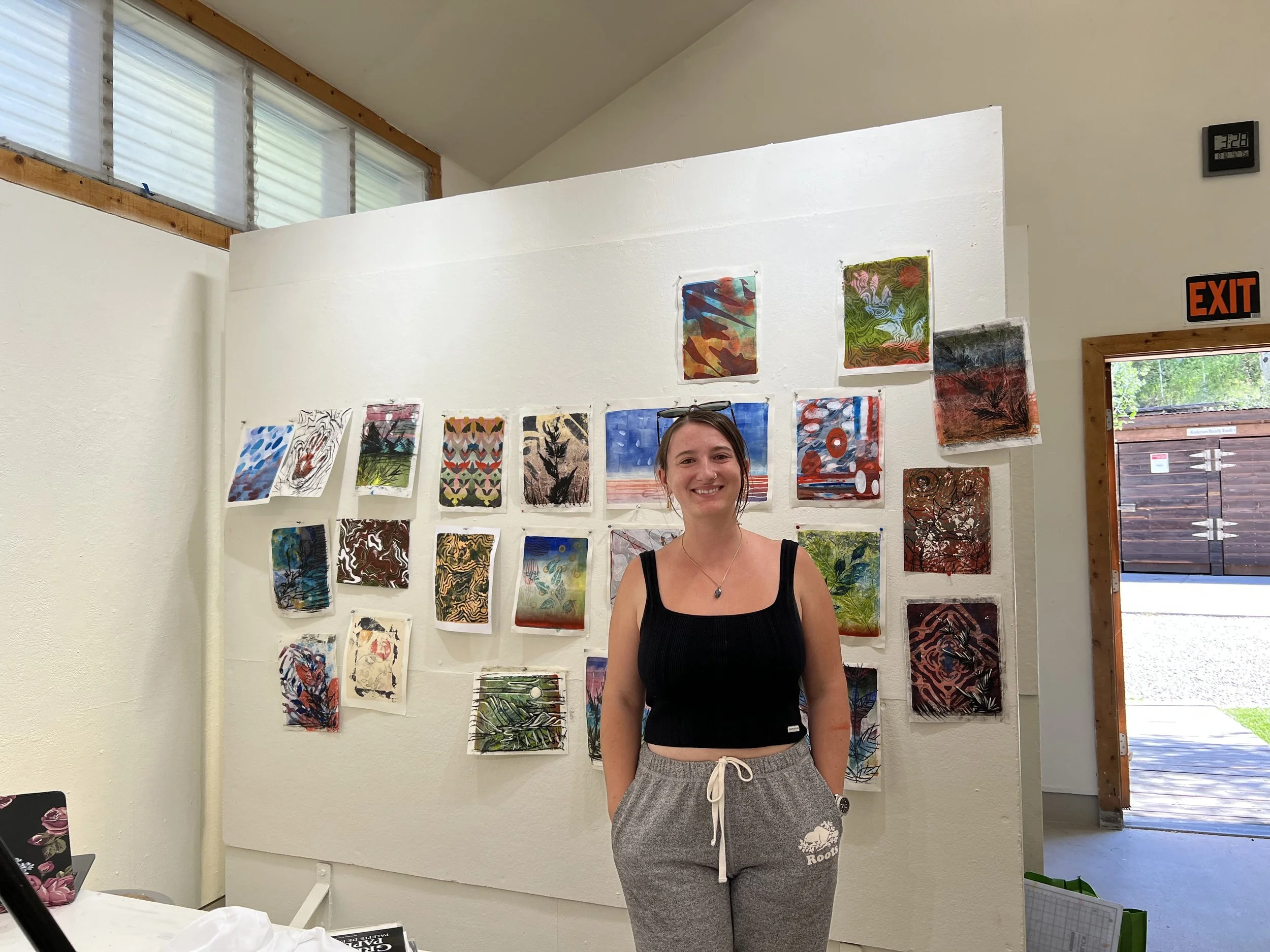
In the summer of 2023, I received a scholarship from Anderson Ranch Art Center to take a one-week workshop with artist Holly Hughes. I’m still really grateful for that opportunity—it gave me a chance to pause my usual routine and dive into a completely new way of making art.
Anderson Ranch is a mix of studio spaces, classrooms, and wandering artists all set against the mountains. It’s one of those places where everyone is working on something different, but the energy is shared. You can walk past a ceramicist, a photographer, and a printmaker all in the same minute. That atmosphere alone pushes you to try things you wouldn’t normally reach for.
My class was taught by Holly Hughes, who has a great way of getting you to loosen up while still paying attention to what the work is doing. She’s known for bold color, layered surfaces, and a willingness to let experimentation lead the process. That attitude really carried through the whole workshop.
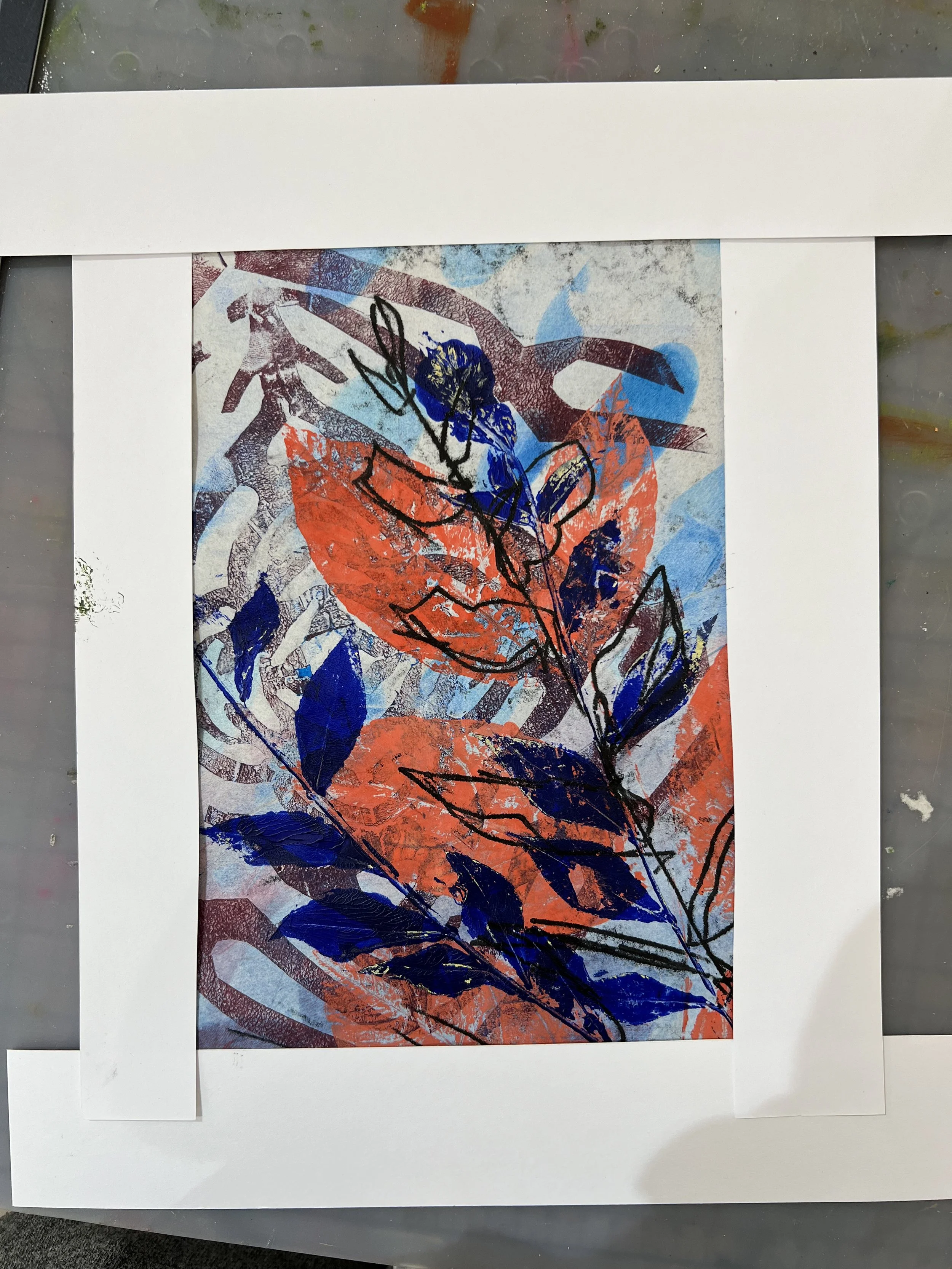
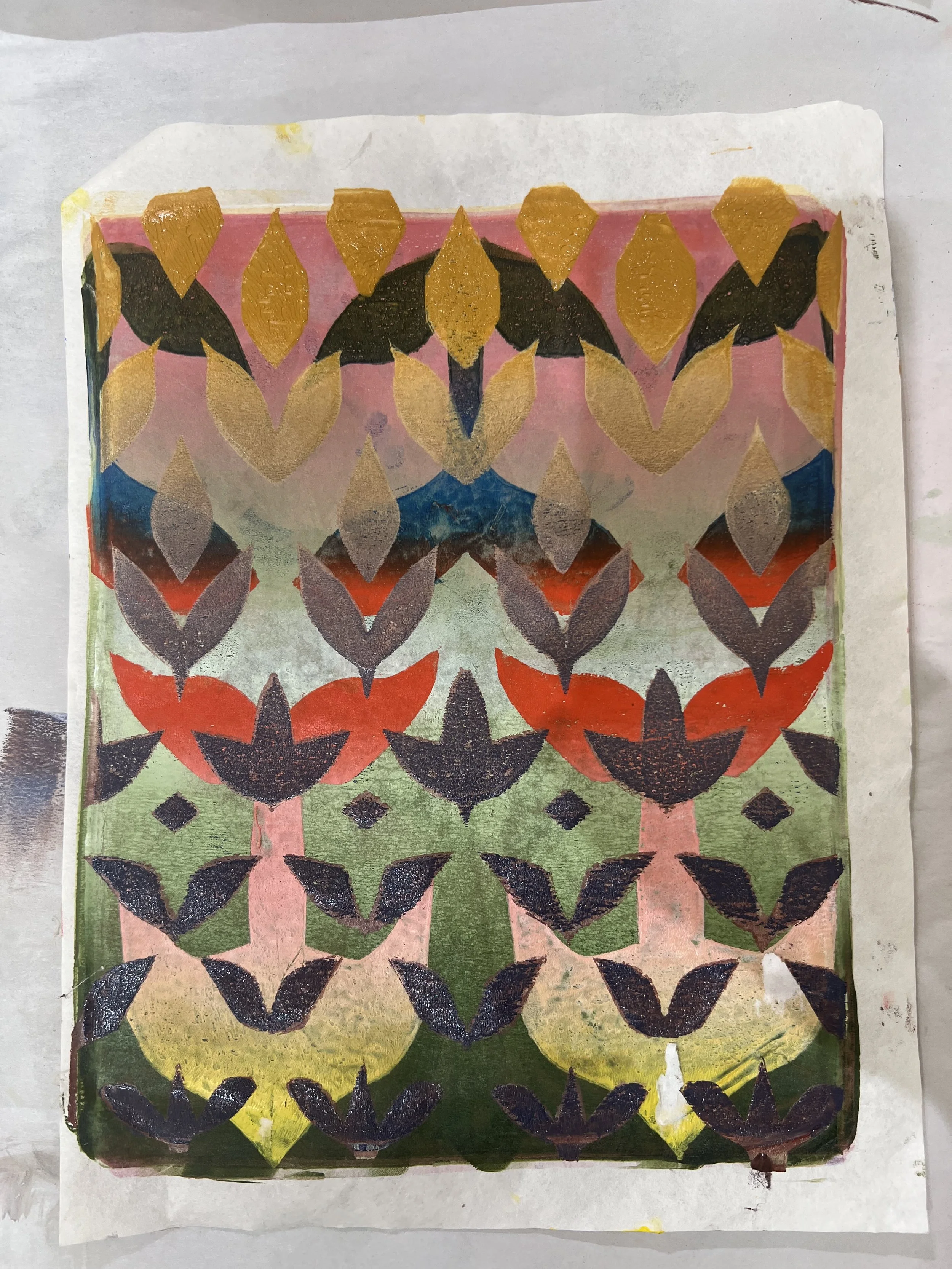
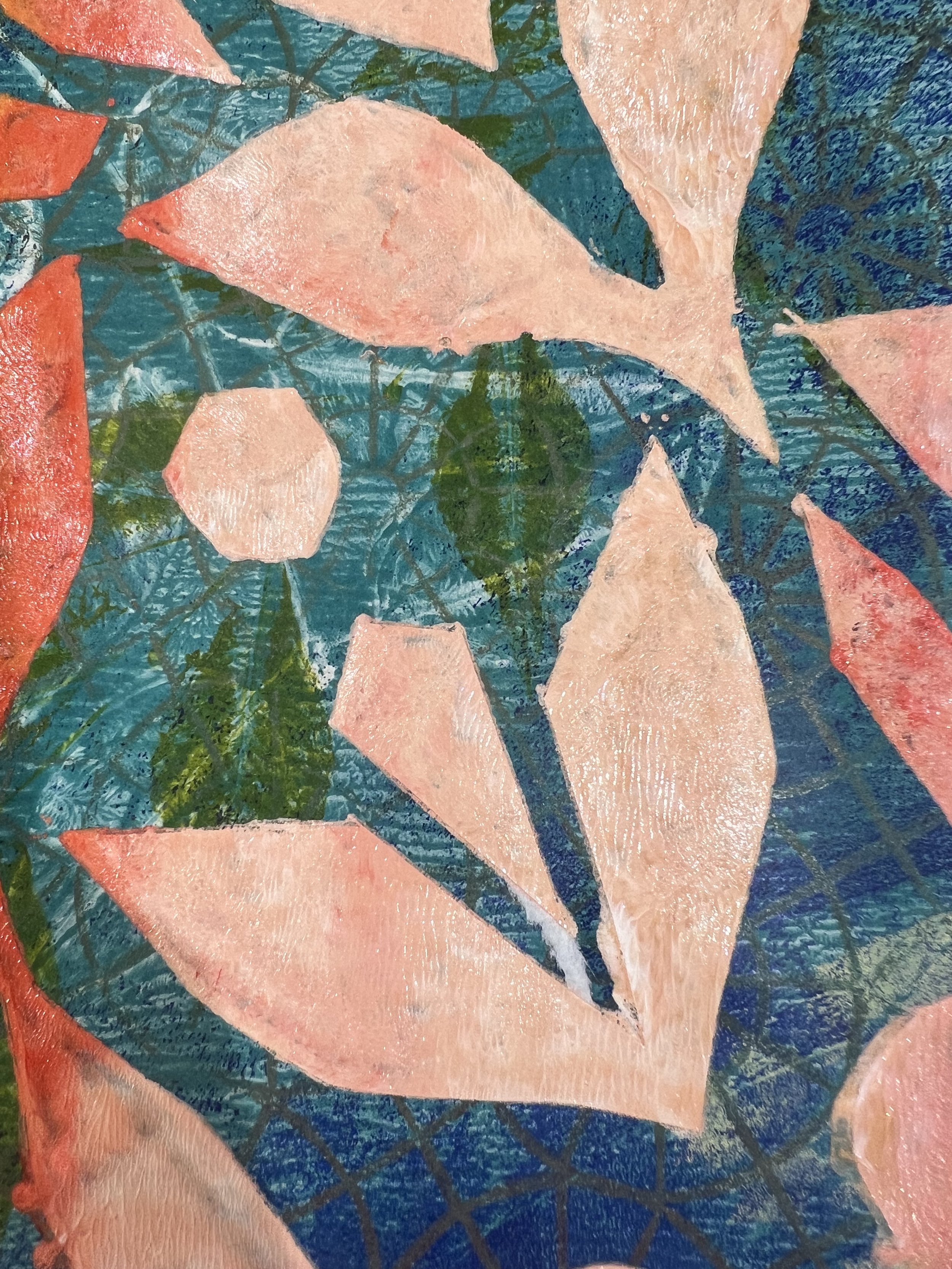
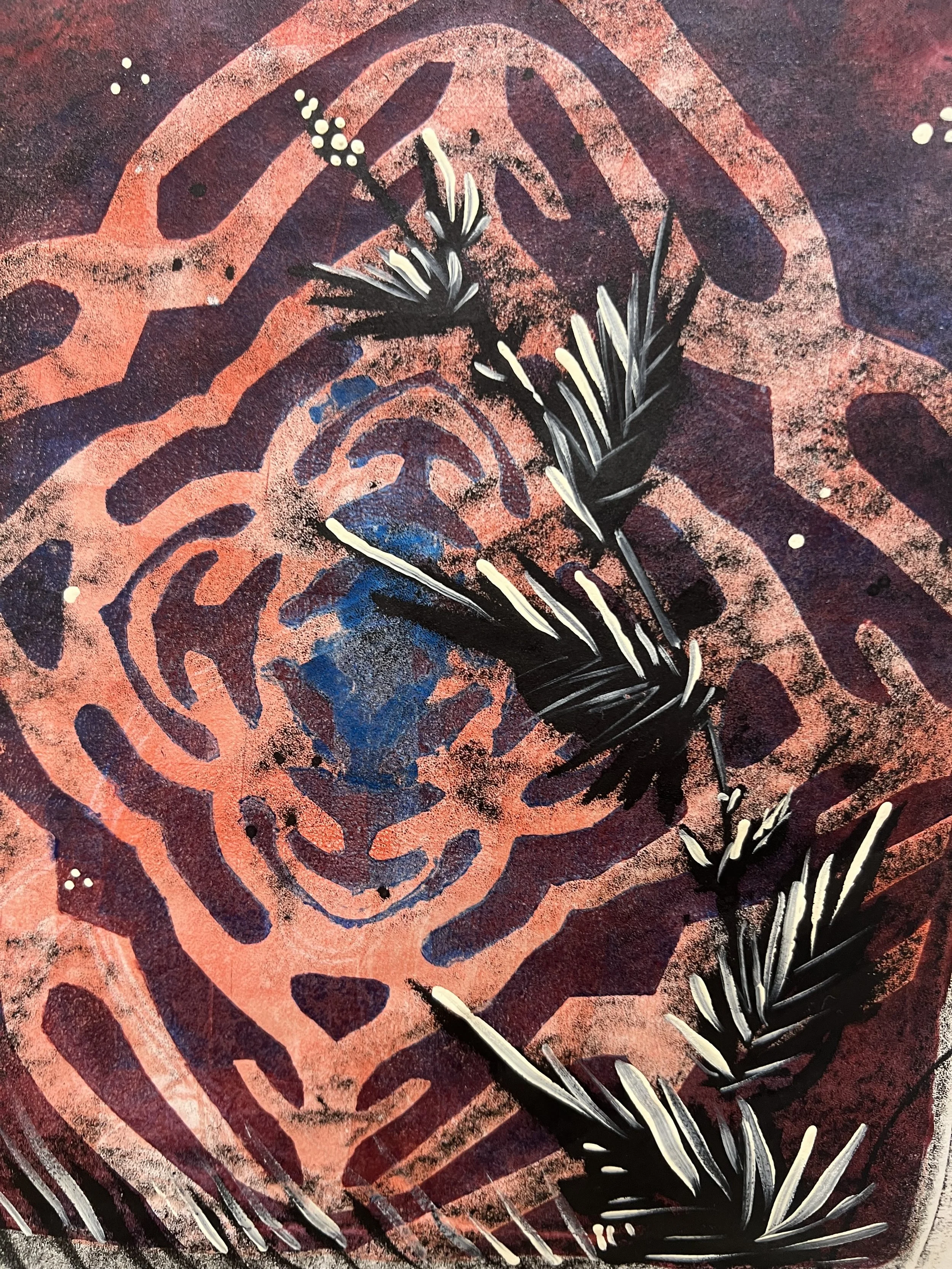
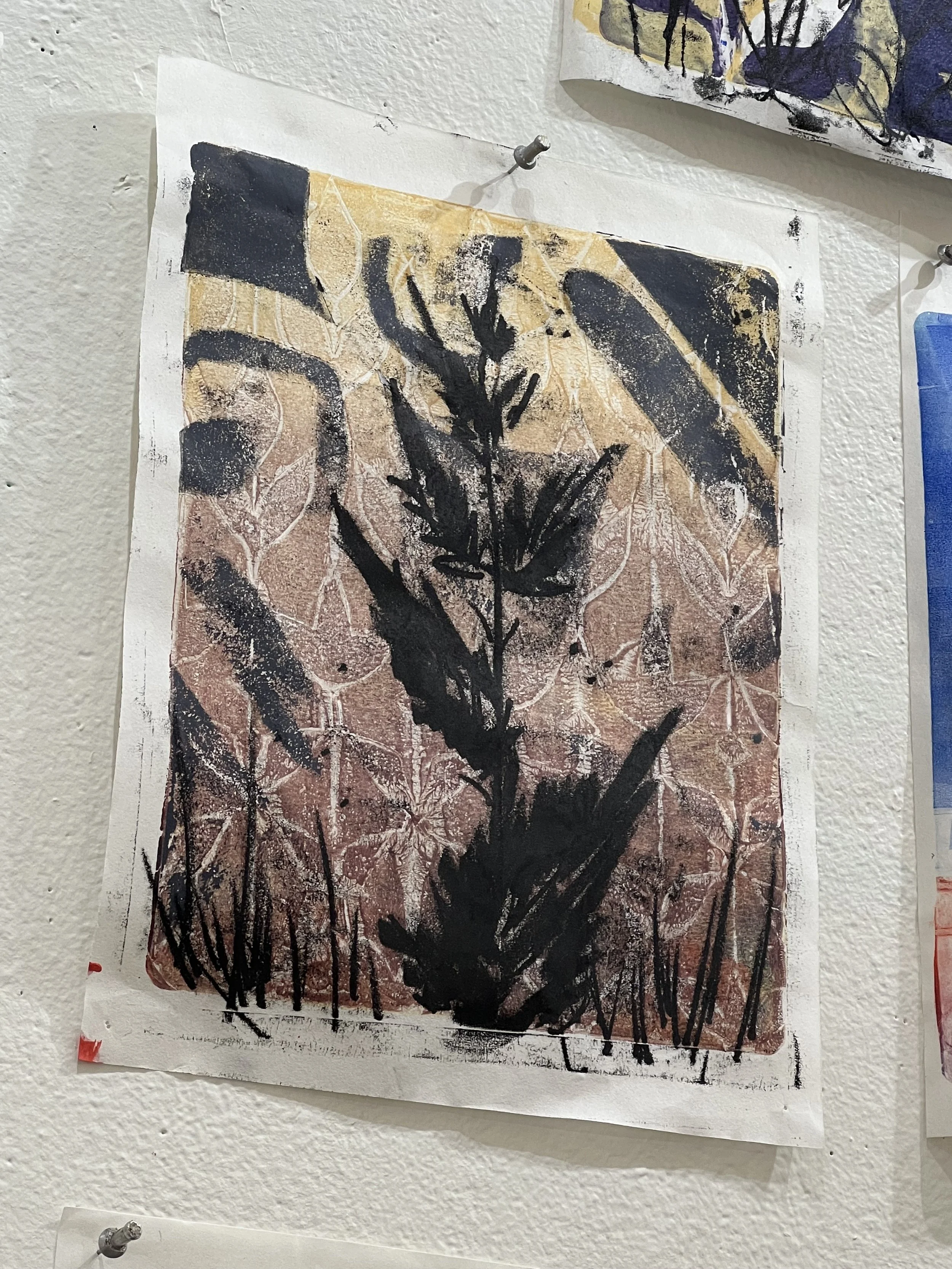
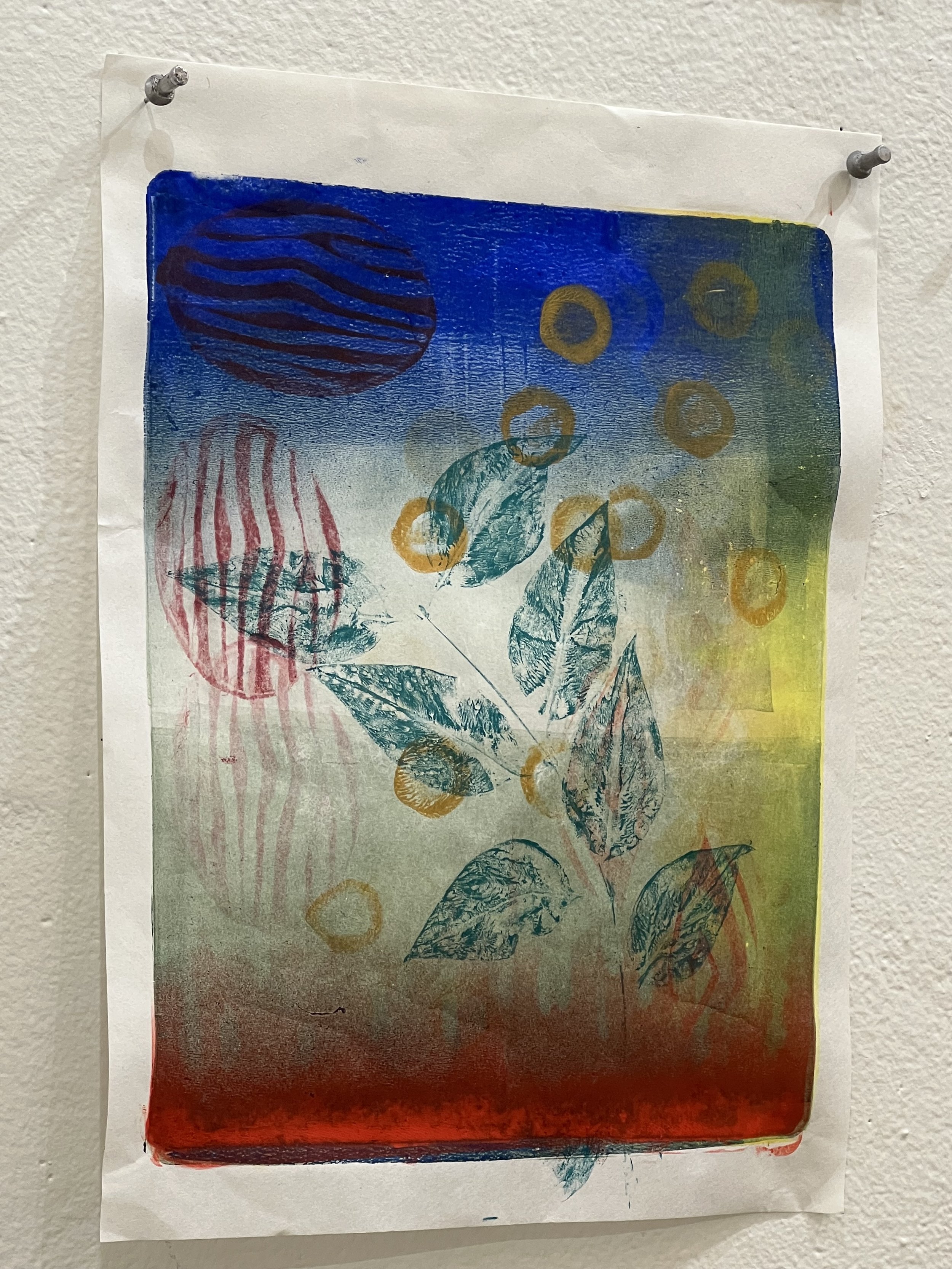
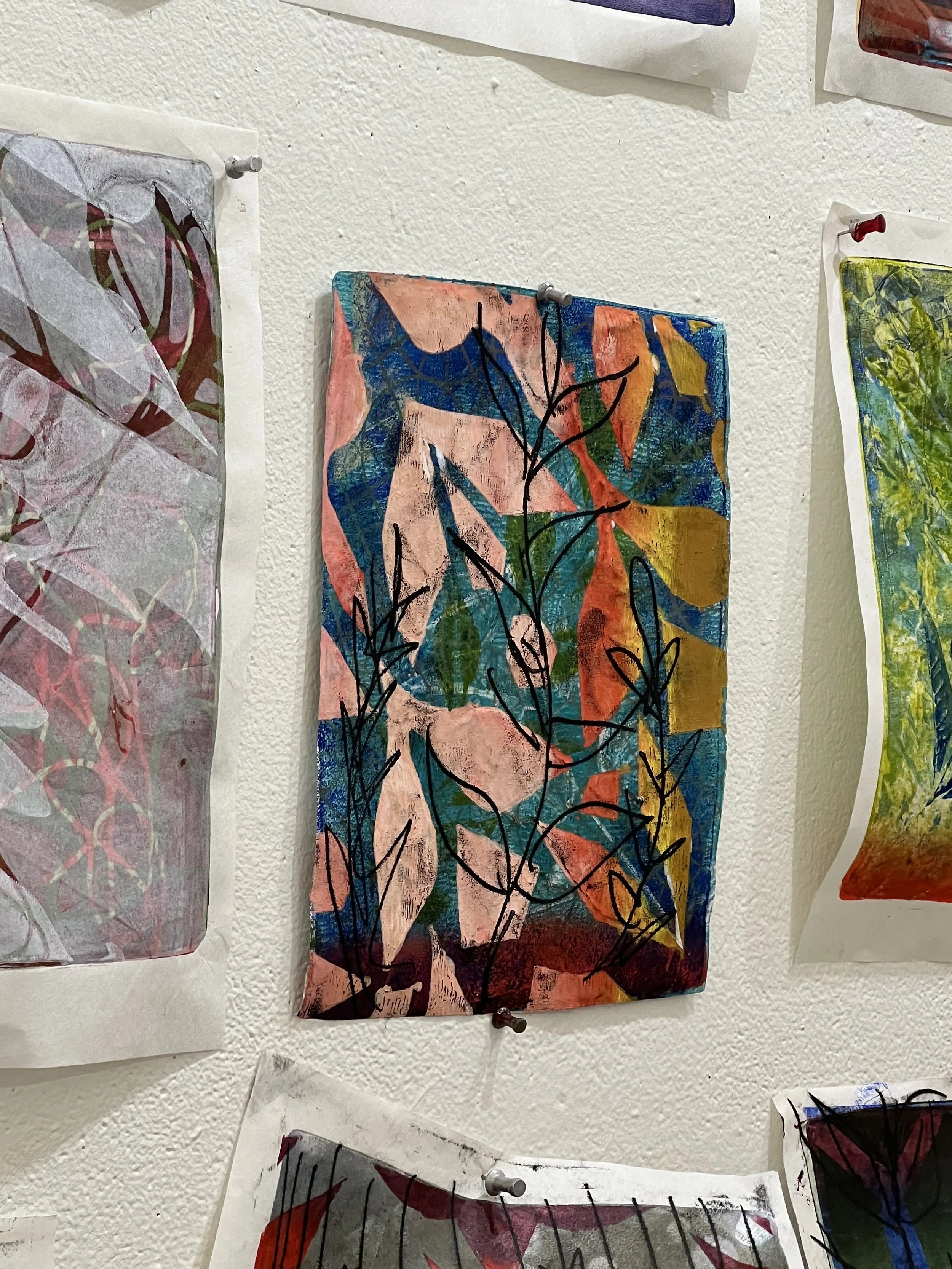
We focused on jelly-plate printmaking, which was totally new to me. A jelly plate is a soft, flexible printing surface that holds paint and texture in a surprisingly detailed way. You can press leaves, fabric, stencils—pretty much anything—into it, and the plate picks up those impressions. Each print ends up being different because the plate doesn’t behave the exact same way twice. It’s fast, intuitive, and honestly a little addictive once you get going.
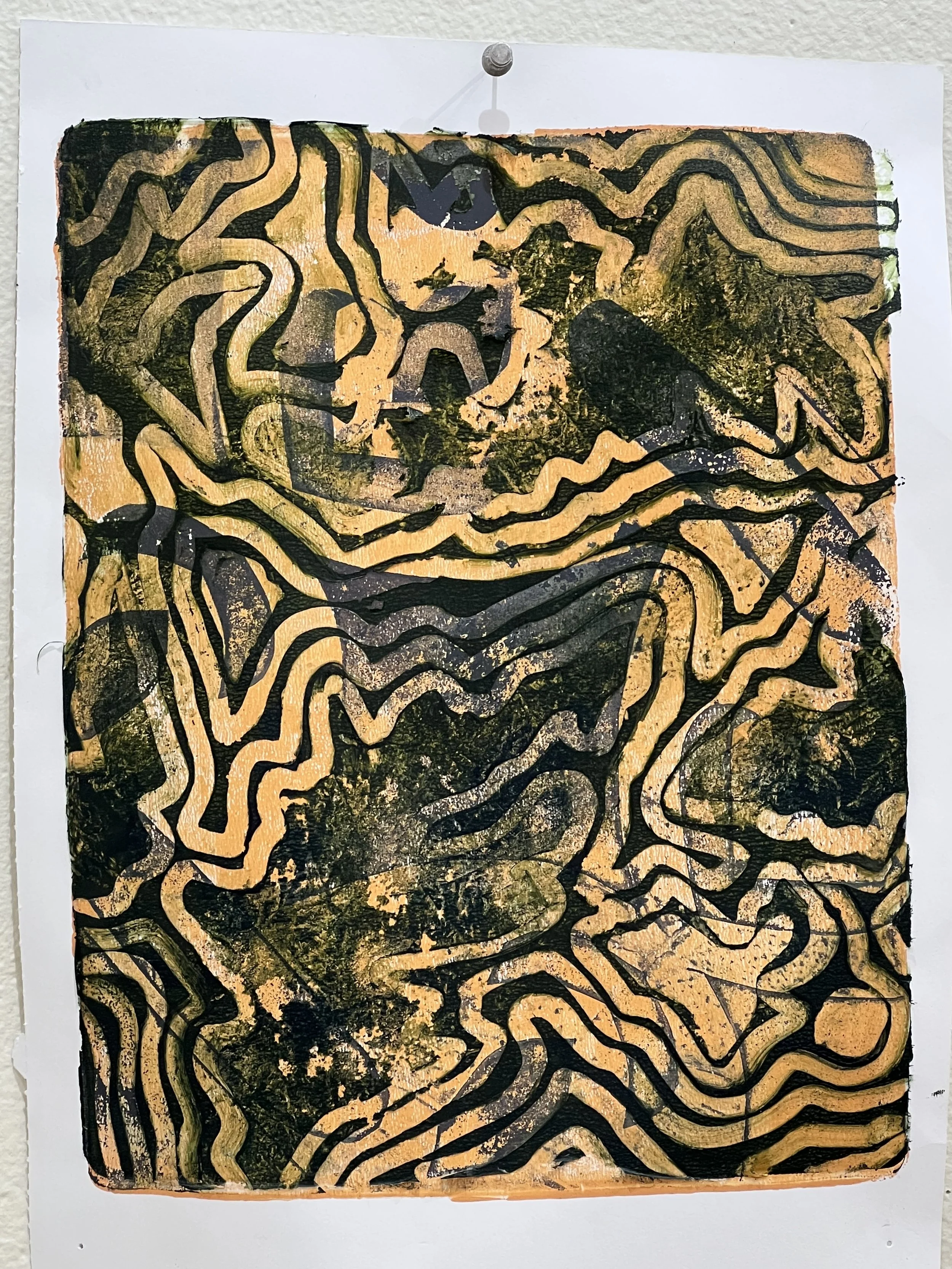
Working with the jelly plate shifted my work almost immediately. I arrived thinking I’d keep making my usual landscape-inspired pieces, but the process pushed everything toward abstraction—still rooted in nature, just less literal. I found myself playing with layers, patterns, gradients, topographical shapes, and plant forms in a way I hadn’t before.
What I liked most was how the medium holds the memory of what came before it. Even when a layer is mostly covered, it still affects the final print. That idea of hidden layers and past marks showing through connected really naturally with the themes I usually explore in my landscapes.
Nature is still my starting point, but this workshop gave me a new way to interpret it—more experimental, more textural, and more responsive to chance. I’ve taken a lot of what I learned back into my regular practice, and I’m excited to see how it keeps evolving.
If you’re curious, some of the pieces that came out of this workshop (and the work influenced by it) are available in my shop.